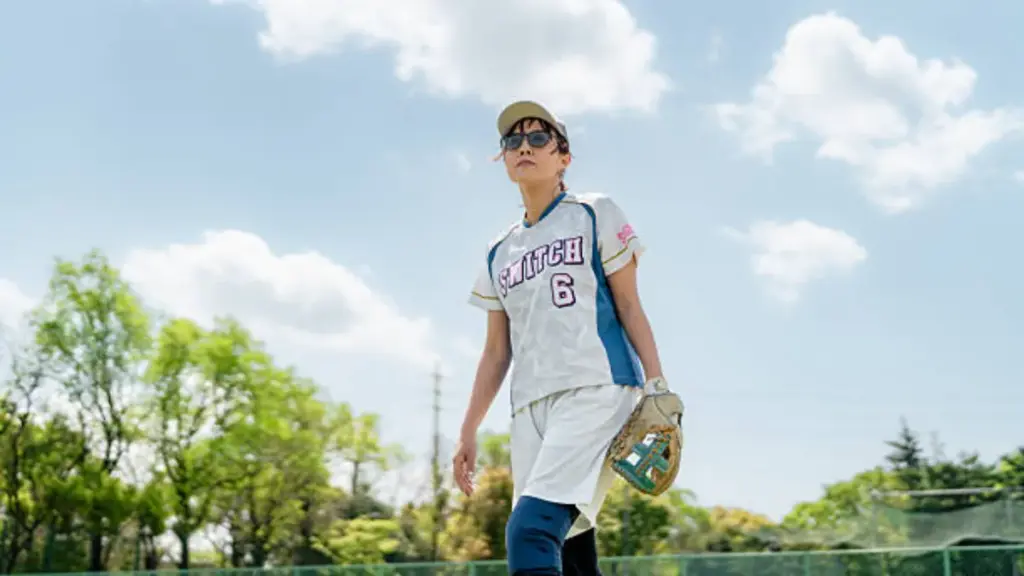
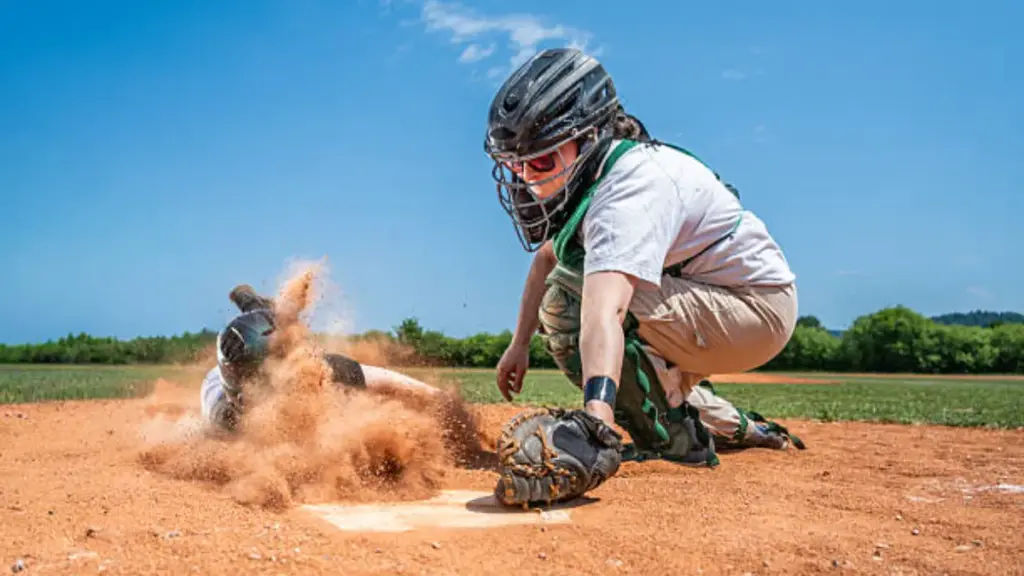
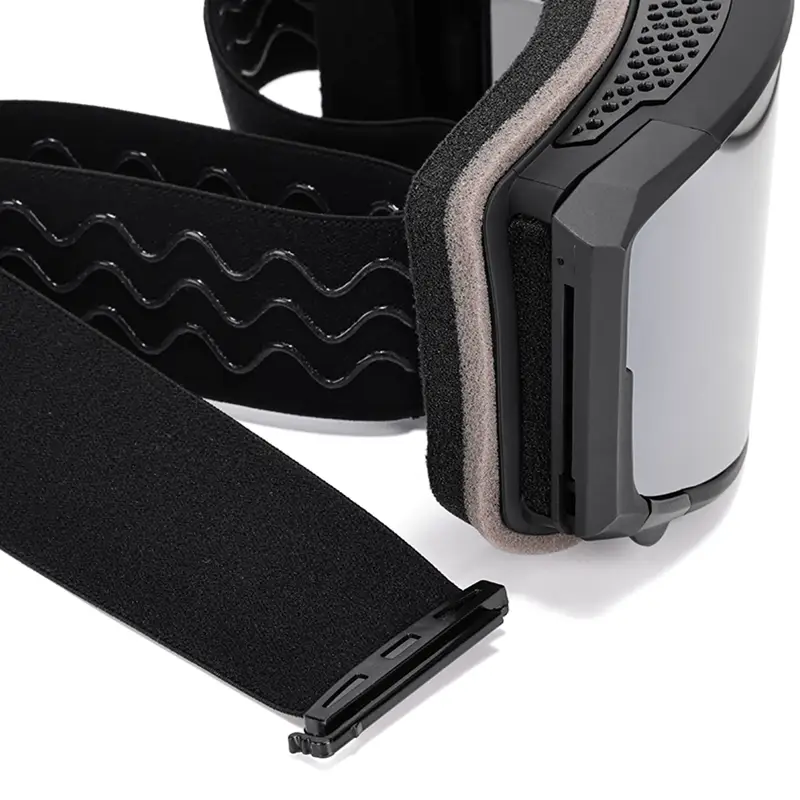
Ты знаешь этот момент. Вы находитесь в середине долгой поездки, или, может быть, вы делаете решающий заброс на воде. Внезапно, солнце падает на тротуар или волны под неправильным углом, и ты ослеплен. Ты щуришься, ты напрягаешься, и на долю секунды, ты теряешь фокус.
Так, should I get polarized sunglasses for sports?
The short answer is: Да, for most sports, they are a game-changer. But—and this is a big “but”—they aren’t a magic bullet for every single activity. Фактически, in some specific high-speed scenarios, they might actually hinder you.
В этом руководстве, we’re going to look at the real science, the specific pros and cons for athletes, and exactly when you should (and shouldn’t) wear them.

The Science Behind the Lens: Поляризованный против. Non-Polarized Explained
Before we talk about performance, we need to understand what is actually happening in front of your eyes.
Standard, non-polarized sunglasses act like a dimmer switch for your room lights. They reduce the overall intensity of all light entering your eye. This is great for a sunny day in the backyard, but they treat all light the same. They don’t discriminate between useful light (details) and distracting light (блики).
Поляризационные линзы are different. They are engineered with a specific chemical filter that works like a set of microscopic Venetian blinds.
| Особенность | Неполяризованный (Standard) | Поляризованные линзы |
|---|---|---|
| How It Works | Dims all light equally (like a dark window tint). | Uses a specific filter to block horizontal light waves. |
| Glare Control | Reduces intensity but glare remains visible. | Eliminates reflected glare from flat surfaces completely. |
| Visual Quality | Colors appear darker and slightly muted. | Enhanced contrast, richer colors, and sharper details. |
| УФ-защита | Varies (Must check for UV400 label). | Varies (Must check for UV400 label). |
| Best For | Overcast days, катание на лыжах (seeing ice), viewing screens. | Bright sunny days, водные виды спорта, вождение, езда на велосипеде. |
Here is the physics in simple terms: sunlight usually scatters in all directions. But when it bounces off a flat surface—like a wet road, a calm lake, or the hood of a car—it becomes concentrated and travels horizontally. This is what we call glare. It’s intense, blinding, and creates visual noise.
Because polarized lenses have vertically aligned filters, they effectively block these horizontal light waves while letting vertical light (the light carrying visual information) pass through. This explains why are polarized sunglasses better for clarity: they aren’t just making things darker. They are actively cleaning up the visual signal your brain receives.
Advantages of Polarized Lenses for Athletes
If your sensors are overwhelmed by noise (блики), your reaction times slow down. Here is how upgrading to polarized lenses translates to athletic performance.
- Total Glare Elimination
This is the headline feature. By blocking that harsh horizontal reflection, you stop fighting the light. For runners and cyclists, this means the blinding shine coming off asphalt or concrete disappears, allowing you to see potholes, обломки, or oil slicks that were previously hidden in the shimmer.
- Reduced Eye Strain and Fatigue
Have you ever finished a day at the beach or a long drive feeling like you have a headache behind your eyes? That’s often caused by hours of subconscious squinting and pupil adjustment as your eyes try to cope with fluctuating glare. Polarized lenses allow your facial muscles to relax. In endurance sports, energy conservation is everything—and that includes mental and visual energy.
- True Color Perception and Contrast
Glare washes out colors. It turns a vibrant green fairway or a deep blue ocean into a shiny white sheet. By removing that white noise, polarized lenses boost contrast and saturation. You see the world in high definition. For an athlete, this means better depth perception and the ability to track moving objects (like a ball or a fellow competitor) with greater accuracy.
Sport-Specific: Where Polarization Shines

Not all sports are created equal, and neither are the lighting conditions you face. While a fisherman might consider polarized lenses essential equipment, a downhill skier might leave them in the car.
Here is a quick breakdown of where these lenses perform best.
| Sport / Активность | Verdict | Why It Matters |
|---|---|---|
| Рыбалка & Boating | Essential | Cuts through surface reflection, allowing you to see fish and structure underwater. |
| Road Cycling & Бег | Highly Recommended | Eliminates blinding glare from hot asphalt and car windshields; reduces fatigue on long routes. |
| Гольф | Personal Preference | Great for tracking ball flight against the sky, but can make reading grain on the putting green difficult. |
| Катание на горных велосипедах (Тащить) | Situational | Can be too dark in shadowed forests; reduces depth perception of wet roots vs. dry dirt. |
| Катание на лыжах (Downhill) | Avoid | Makes ice patches invisible by removing the reflective warning glare (see next section for details). |
When to Choose Non-Polarized Lenses
The biggest argument against using polarized lenses in sports comes from the winter sports community. When you are hurtling down a mountain at 40mph, you need to know where the ice patches are. Ice reflects more light than snow. To the naked eye, that bright glare is a warning sign: “Danger, slippery surface ahead!”
Because polarized lenses do their job so well, they filter out that glare. They can make a sheet of ice look just like soft, fluffy snow. For skiers and snowboarders, this loss of information can lead to nasty falls.
Similarly, there is the “digital blackout” issue. Polarized lenses can conflict with Liquid Crystal Displays (LCDs). If you are a pilot checking instruments, or a cyclist relying on a specific GPS bike computer, you might find that your screen looks black or distorted when viewed through polarized lenses. While modern screens are getting better at this, it is still a valid concern for gadget-heavy sports.
Наконец, consider baseball or tennis. Some players feel that polarization can slightly alter depth perception or make a white ball moving through a complex background harder to time perfectly.
Does Polarization Equal UV Protection?
This is a critical distinction that many buyers miss. Polarization is about comfort and clarity, UV protection is about health.
It is entirely possible to have a pair of cheap polarized sunglasses that offer zero protection against harmful ultraviolet rays. Наоборот, you can have non-polarized lenses that block 100% of UV light.
When you are training outdoors, you are exposing your eyes to long-term damage risks like cataracts, дегенерация желтого пятна, and photokeratitis (солнечный ожог глаз).
When shopping, never assume “поляризованный” covers everything. You must look for a label that specifically says UV400 or 100% UVA/UVB Protection. The best sports eyewear combines both: a high-quality polarized filter sandwiched between layers of impact-resistant, UV-blocking polycarbonate or Trivex material.

How to Verify Your Lenses in Seconds
Так, you found an old pair in your glovebox, or you just bought a new set online and want to check if they are the real deal. You don’t need a lab, you just need your smartphone.
Here is the 10-second test:
- Turn your phone screen brightness up to the maximum.
- Open a white background app (like a blank browser page).
- Hold your sunglasses in front of the screen.
- Slowly rotate the sunglasses 90 степени.
The Result: If the lenses are truly polarized, the screen image should darken significantly or turn completely black at a certain angle. If the brightness stays exactly the same as you rotate them, they are just standard tinted lenses.
Unsure about your current gear? Learn exactlyhow to tell if sunglasses are polarized in our detailed guide.
Why Brands Partner with Julong Eyewear
Finding the right manufacturing partner is just as critical as choosing the right lens technology. For brands, distributors, and sports clubs looking to develop their own line of high-performance eyewear, Julong Eyewear stands out as a premier OEM/ODM solution.
Unlike generic suppliers, Джулонг specializes exclusively in the sports sector, leveraging over a decade of expertise to deliver polarized sunglasses that meet rigorous ISO9001 and international standards (FDA, CE, Анси). Whether you need specialized fishing sunglasses with floating structures or high-impact cycling glasses featuring TR90 frames and photochromic capabilities, our facility offers:
Sourcing Professional Polarized Gear?
Partner with Julong Eyewear for high-performance polarized solutions that meet international standards (FDA, CE, Анси).
Custom Design
From 3D structure design to rapid prototyping for your unique brand identity.
Flexible MOQs
Start small with just 100pcs for light customization to test your market.
Премиум -материалы
Using top-tier Mitsubishi PC & BASF TPU for maximum durability.
Turnkey Service
Certified testing, custom packaging, and logistics handled for you.
Заключение
В конце дня, вопрос “should I get polarized sunglasses for sports?” comes down to your arena.
If your playground is the water, the road, or bright open fields, the visual clarity and glare reduction of polarized lenses offer a massive competitive advantage. They reduce fatigue and help you see details that raw sunlight would otherwise wash out.
Однако, if you live for the moguls on a ski slope or rely heavily on digital flight instruments, you might want to stick to high-quality, non-polarized tints.
Assess your primary activity, check for that crucial UV400 rating, and choose the lens that helps you see your path to the finish line clearly.