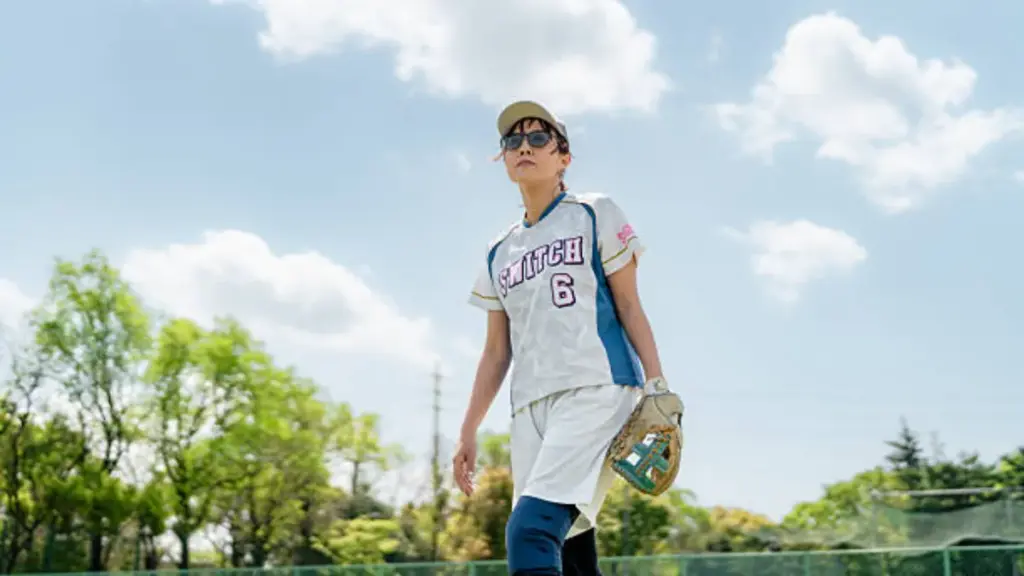
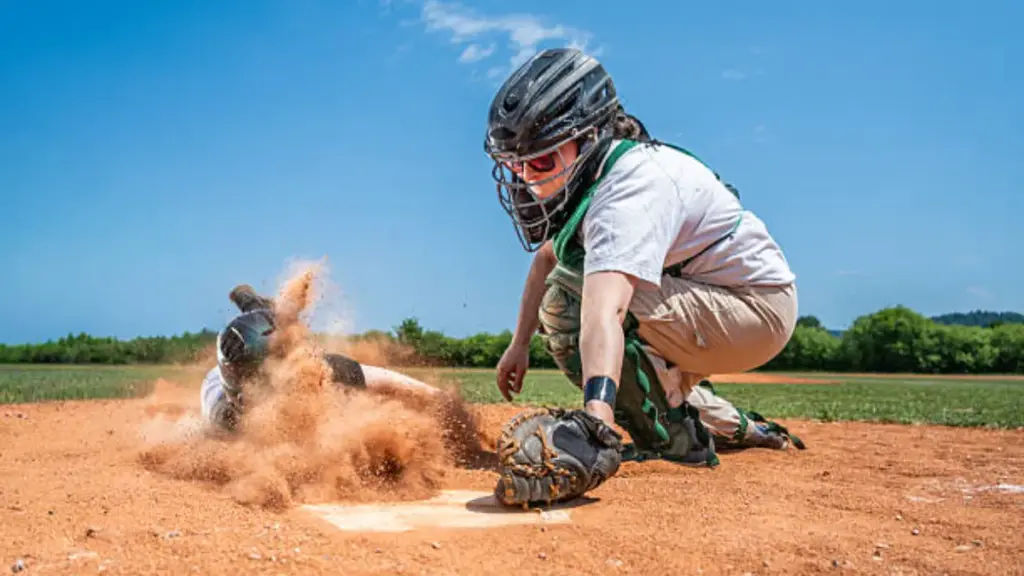
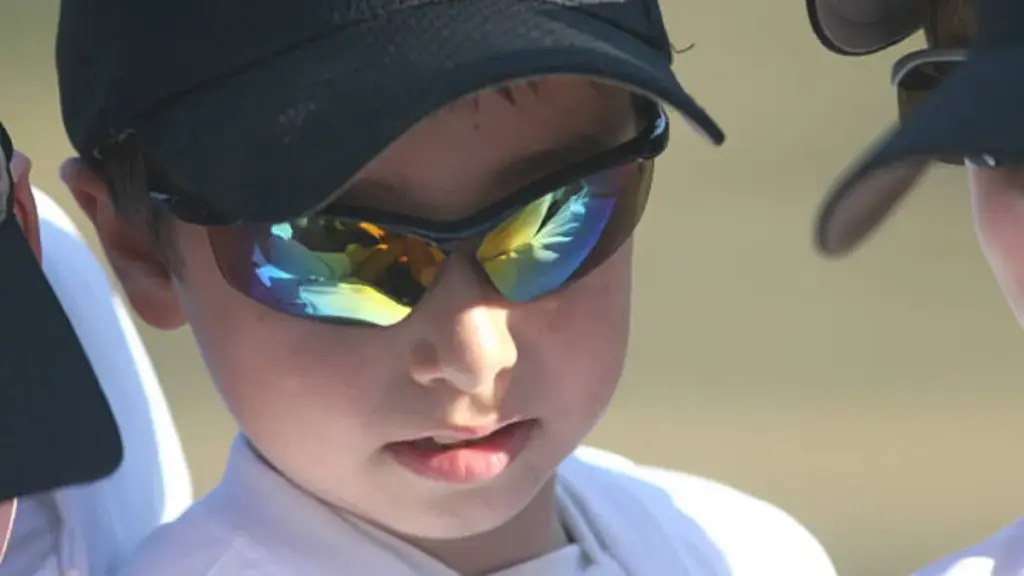
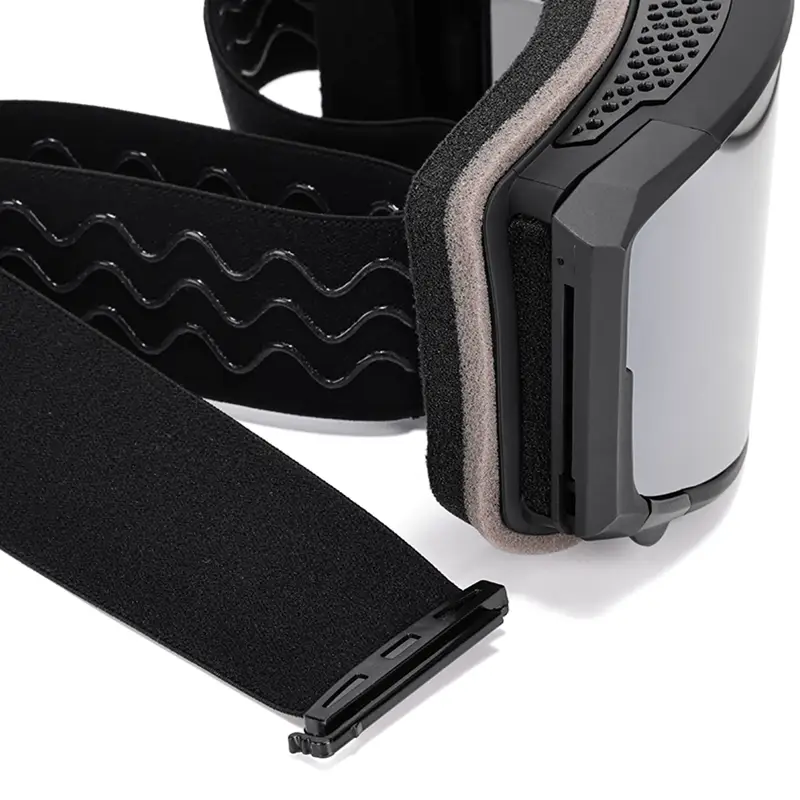
We’ve all been there. The adrenaline is pumping, the game is on the line, and your focus is laser-sharp. In those high-stakes moments, the last thing on your mind is the safety of your eyes. Yet, it only takes a split second—a stray elbow in the paint, a shuttlecock moving at 200 mph, or a misjudged fly ball—to change everything.
For years, many athletes viewed protective eyewear as a cumbersome accessory, something only worn after an injury had already occurred. But the narrative is shifting. Today, protective glasses for sports are no longer just about “playing it safe”; they are about playing smart, playing longer, and actually playing better.
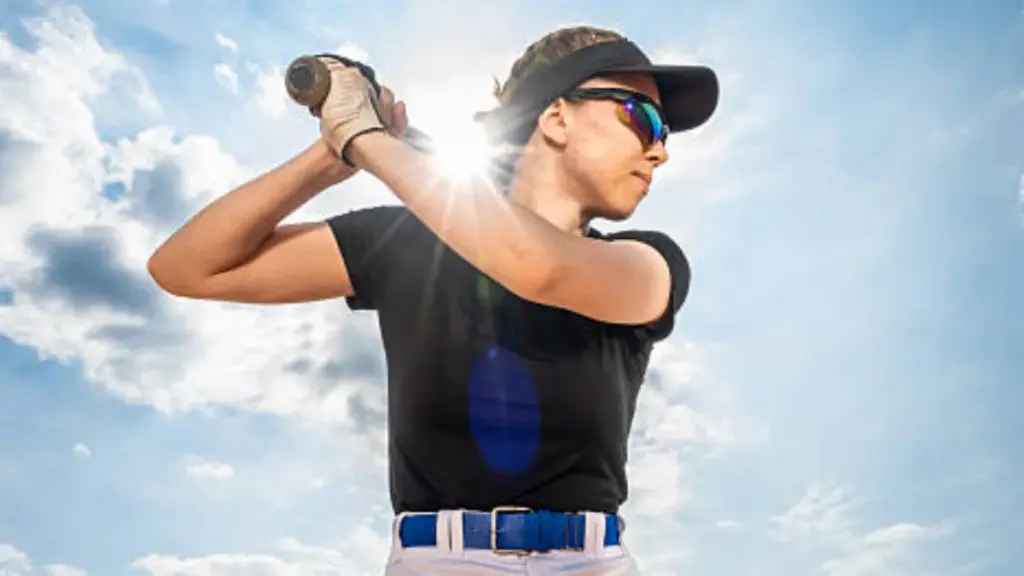
Why Eye Injuries Are on the Rise
It is easy to fall into the “it won’t happen to me” trap. We often assume that serious injuries are reserved for extreme sports or professional collisions. However, the data tells a much more sobering story. Statistics from organizations like Prevent Blindness show that tens of thousands of sports-related eye injuries occur annually, and alarmingly, a significant portion of these happen in youth sports.
The risk profile has evolved. As sports become faster and athletes become stronger, the velocity of the game increases. In high-impact sports like basketball and soccer, the danger often comes from close-contact physical play—fingers, elbows, and knees. In racquet sports, the threat is projectile-based. A squash ball or a pickleball can compress upon impact, molding itself into the eye socket and causing severe damage that regular glasses simply cannot prevent.
But beyond the physical pain, there is an emotional and lifestyle cost. An eye injury can sideline an athlete for a season or, in worst-case scenarios, permanently alter their quality of life. This is why the conversation around protective glasses for sports is becoming louder. It is about shifting the culture from reactive treatment to proactive prevention. We gear up with shin guards, mouthguards, and helmets without a second thought. Why should our eyes—our most critical sensory tool for reaction time—be any different?
ASTM Standards: What They Mean for Your Safety
If you take one thing away from this guide, let it be this: your everyday streetwear glasses are not safety gear. In fact, wearing standard wire or plastic frames during intense activity can be more dangerous than wearing nothing at all. If a standard lens shatters upon impact, the shards can cause catastrophic damage to the eye.
This is where the alphabet soup of safety ratings becomes important, specifically ASTM F803.
ASTM F803 is the gold standard for protective sports eyewear. Unlike basic industrial safety glasses (often rated ANSI Z87.1), ASTM F803 is specifically tested for the kinetic energy of sports. This means the frames and lenses are subjected to high-velocity impact tests simulating baseballs, basketballs, and racquets to ensure they don’t break or pop out of the frame.
The secret weapon here is Polycarbonate. This material is virtually unbreakable and is the standard for any serious protective gear. When we talk about legitimate protective glasses for sports, we are talking about frames that act as a shield, absorbing shock and distributing energy away from the eye socket and the bridge of the nose.
To help you visualize the difference, here is a breakdown of why specialized gear is non-negotiable:
| Feature | Regular Prescription Glasses | Protective Glasses for Sports (ASTM F803) |
|---|---|---|
| Lens Material | Standard Plastic or Glass (Shatter-prone) | Polycarbonate (Impact-resistant) |
| Frame Design | Fashion-focused, brittle hinges | Nylon/TR90, padded bridges, shock-absorbing |
| Impact Rating | None (Dress wear only) | Rated for projectiles (40-90 mph) |
| Retention | Can slip off with sweat | Secure straps or contoured temples |
How Advanced Lens Tech Boosts Visual Performance
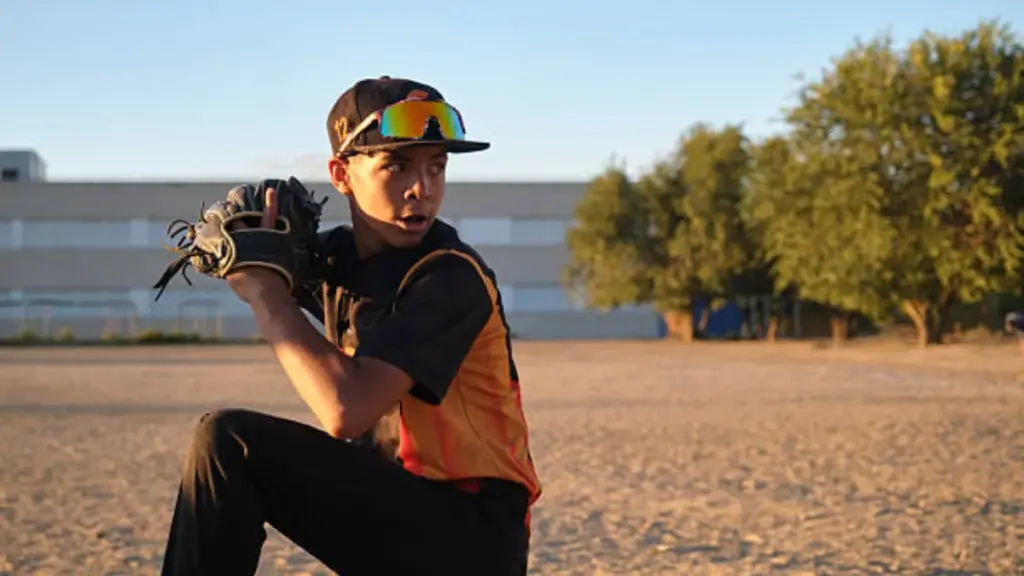
Imagine a tennis player struggling with the glare of the sun while trying to track a high lob. Or a mountain biker moving rapidly from bright sunlight into the deep shade of a forest trail. Standard clear lenses don’t help here. Advanced sports eyewear incorporates contrast-enhancing tints—rose, amber, or brown—that filter out “visual noise” (like blue light) and make the ball or trail features pop against the background.
Furthermore, for those requiring vision correction, the market has drastically improved. You no longer have to squint or wear uncomfortable contacts that dry out in the wind. For example, getting high-quality prescription eyeglasses for tennis allows a player to track the spin of the ball with perfect clarity while blocking 100% of UVA and UVB rays.
Photochromic lenses (which transition from clear to dark) and polarized options (which cut glare off water or pavement) are now standard expectations in high-end sports optics. When you combine impact resistance with high-definition optics, you aren’t just protecting your eyes; you are upgrading your vision system.
Solving Common Issues: Anti-Fog Systems and Secure Fit
There is nothing more frustrating than being in the heat of the game, sweat pouring down your forehead, only to have your lenses steam up, rendering you blind. This has historically been the number one reason athletes refuse to wear protective gear.
However, the best prescription eyeglasses for sports today are engineered with sophisticated airflow dynamics. It’s not just about an anti-fog coating (though that helps); it’s about geometry. Quality frames feature strategic ventilation channels that pull cool air in and push hot, humid air out.
Beyond fog, there is the issue of fit. “One size fits all” is a lie in the sports world. A pair of glasses that slides down your nose every time you jump for a rebound is a distraction, not a help. This is why the debate between temples (arms) and straps is vital. For high-contact sports like basketball, a full strap is usually preferred for security. For cycling or running, rubberized temples that grip when wet are ideal. The goal is “fit-and-forget”—gear so comfortable and secure that you forget you are wearing it until it saves you from an injury.
Partner with JULONG for Custom High-Performance Gear
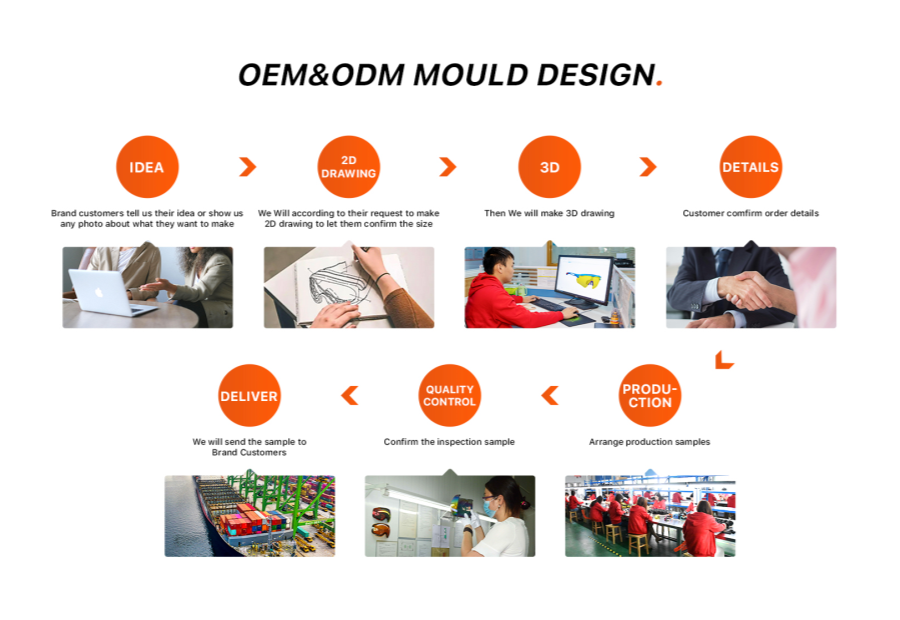
Understanding these market demands—safety, clarity, and comfort—is one thing; manufacturing them is another. This is where JULONG bridges the gap between concept and reality.
As a dedicated OEM/ODM partner, JULONG specializes in turning these complex requirements into market-ready products. We don’t just mold plastic; we engineer solutions. With over 14 years of experience and a portfolio of 150+ patents, our R&D team has mastered the art of integrating functionality with design.
Whether you are a startup looking to launch a disrupting eyewear brand or an established distributor expanding your line, our capabilities are built for you. We solve the common “fogging” and “fit” issues through our patented magnetic lens systems and advanced ventilation structures. More importantly, we understand the speed of the fashion-sports industry. We offer 1-hour design drafts and 7-day rapid prototyping, allowing you to test and iterate without heavy upfront delays. From TR90 lightweight frames to bio-based eco-friendly materials, JULONG provides the one-stop custom manufacturing power you need to deliver high-value, ASTM-standard protective eyewear to your customers.
Sport-Specific Guide: Matching Eyewear to the Game
Not all protective glasses for sports are created equal, because not all sports demand the same protection. When selecting inventory or choosing a pair for personal use, context is key.
For Court Sports (Basketball, Squash, Pickleball):
Here, the priority is impact retention. You need a frame that sits close to the face to prevent fingers from getting underneath the rim. A full strap system is highly recommended to keep the goggles secured during rapid pivots and contact. The lenses must meet the strictest velocity standards because the projectile (or elbow) is coming from close range.
For Field Sports (Soccer, Field Hockey):
Peripheral vision is critical here. You cannot have bulky frames blocking your side view. Wrap-around styles that offer a wide field of view while maintaining F803 impact resistance are the ideal choice.
For Outdoor Pursuits (Cycling, Running):
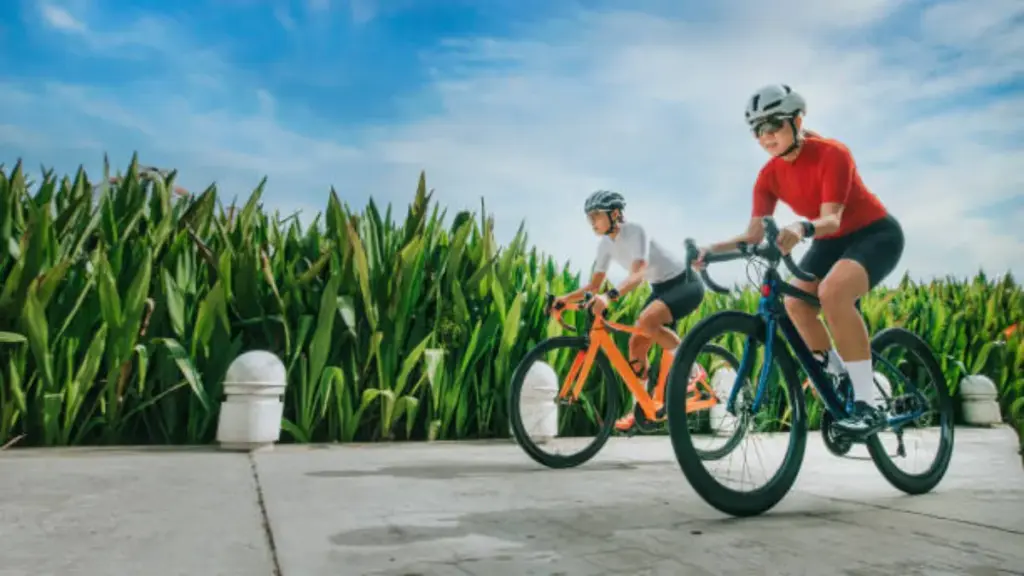
While impact protection is still necessary (think pebbles kicked up by cars), the focus shifts slightly toward environmental protection. You need UV barriers, wind deflection, and lenses that handle changing light conditions. This is where the best prescription eyeglasses for sports truly shine, offering aerodynamic profiles that cut through the wind while protecting the eyes from drying out.
Investing in Quality Eye Protection for Long-Term Success
At the end of the day, vision is irreplaceable. The cost of a high-quality pair of protective glasses pales in comparison to the cost of a medical emergency or permanent vision loss.
For brands and retailers, this is a growing market segment driven by aware parents and performance-focused adults. For the athlete, it is an investment in longevity. The era of bulky, uncomfortable, and “uncool” safety goggles is over. We are now in the age of sleek, high-tech protective glasses for sports that look good, feel great, and perform under pressure.
Whether you are grinding on the court, serving an ace, or cycling down a mountain, make sure your eyes are as ready for the challenge as you are. Because in sports, seeing the danger is the first step to avoiding it—but being protected against it is the only way to ensure you can play again tomorrow.