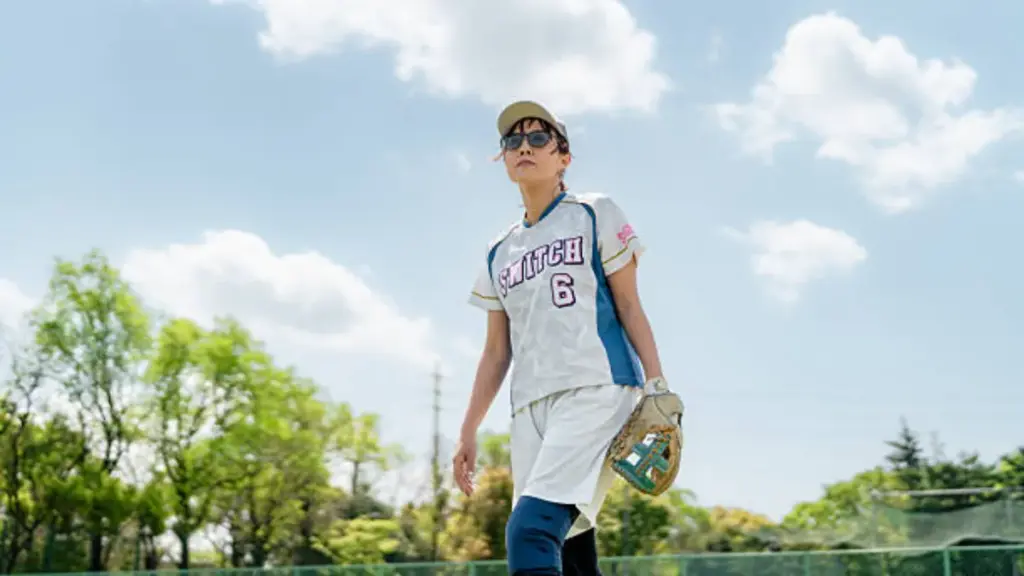
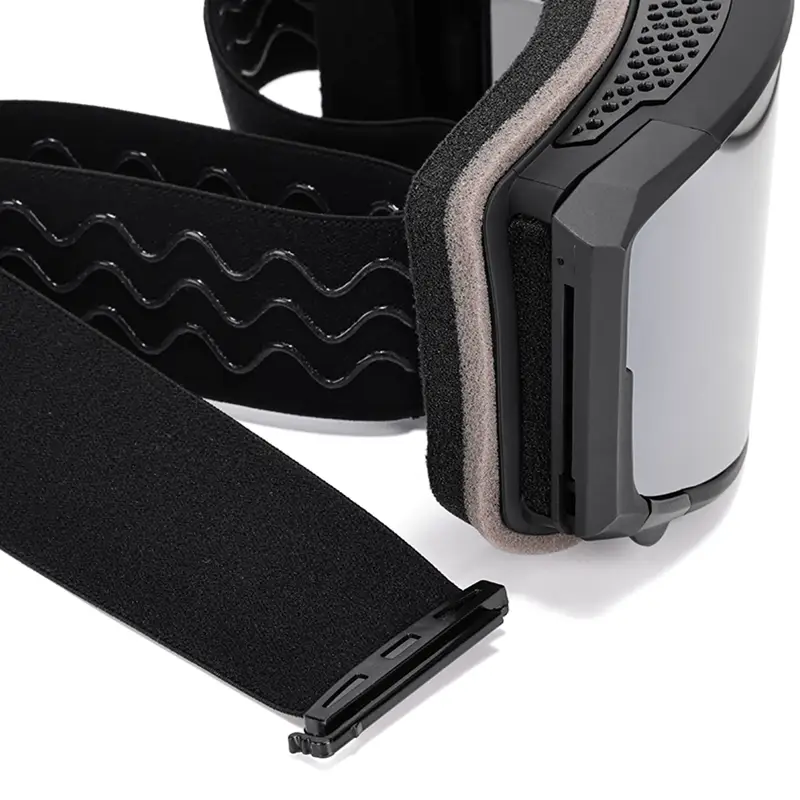
To choose sunglasses today is not just about finding a “cool pair of shades.” The process is about understanding different types. You must match them to your lifestyle. This ensures your eyes stay protected on and off the field.
What Sunglasses Types Really Mean
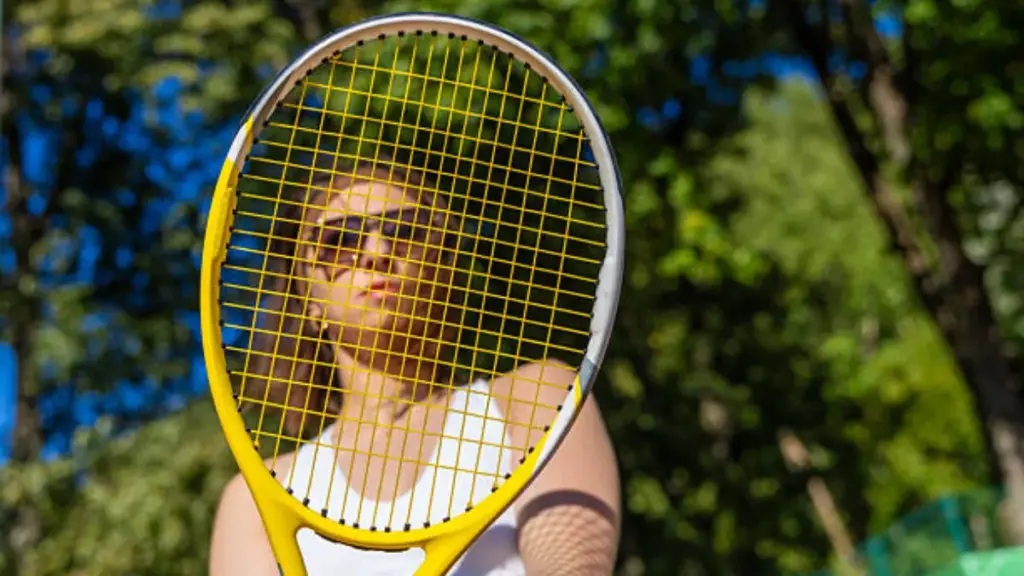
If you search for “different types of sunglasses,” you are likely mixing several ideas together. These ideas include frame styles, lens technologies, and specific use cases like driving or cycling.
The word “type” is actually a combination. It is a mix of how sunglasses look, how they perform, and where you use them.
Break them into three dimensions to understand sunglasses types better:
- Frame style: This includes aviator, wayfarer, round, wraparound, and shield designs.
- Lens type: Options are polarized, photochromic, mirrored, gradient, or tinted.
- Purpose: The categories are everyday wear, driving, fashion, or performance sports.
If you view “types” this way, the decision becomes easier. You will know exactly what you need. You won’t just grab the trendiest pair on your social media feed.
Classic Sunglasses Styles and Frame Shapes
Classic frame styles are the foundation of most sunglasses collections. This is true whether you buy a fashion pair or a high-performance sports model. Each style has its own look. Each one flatters different face shapes.
Common frame styles and when they shine
| Frame Style | Key Look & Features | Best for Face Shapes | Typical Use Cases |
|---|---|---|---|
| Aviator | Teardrop lenses and thin metal frames. The look is timeless. | Most shapes, especially oval and square. | Driving, casual everyday, travel. |
| Wayfarer | Thick frames with trapezoid lenses. The style is versatile. | Round and oval faces. | Daily wear, city style, casual office. |
| Round / Oval | Soft curves with a retro vibe. They are gentle on features. | Square and rectangular faces. | Vintage looks, fashion-forward outfits. |
| Square | Sharp angles and defined lines. The presence is strong. | Round and oval faces. | Everyday wear, statement looks. |
| Cat-eye | Upswept corners. The design is feminine and bold. | Oval and heart-shaped faces. | Fashion styling, events, city wear. |
| Wraparound | Curved frames hug the temples. Side coverage is wide. | Most faces if sized well. | Cycling, running, hiking, outdoor work. |
| Shield | Single wide lens. The style is futuristic and sporty. | Medium to larger faces. | High-speed sports, streetwear. |
Consider the benefits for sports
If you are an athlete, wraparound and shield designs offer unique advantages. Fashion frames rarely provide these. If you need a stable fit and side protection from wind or dust, these designs are superior. They hug your face. They protect your peripheral vision. They stay in place when you move fast. This stability is the reason they are the backbone of modern sports sunglasses.
Lens Types and Eye Protection Essentials
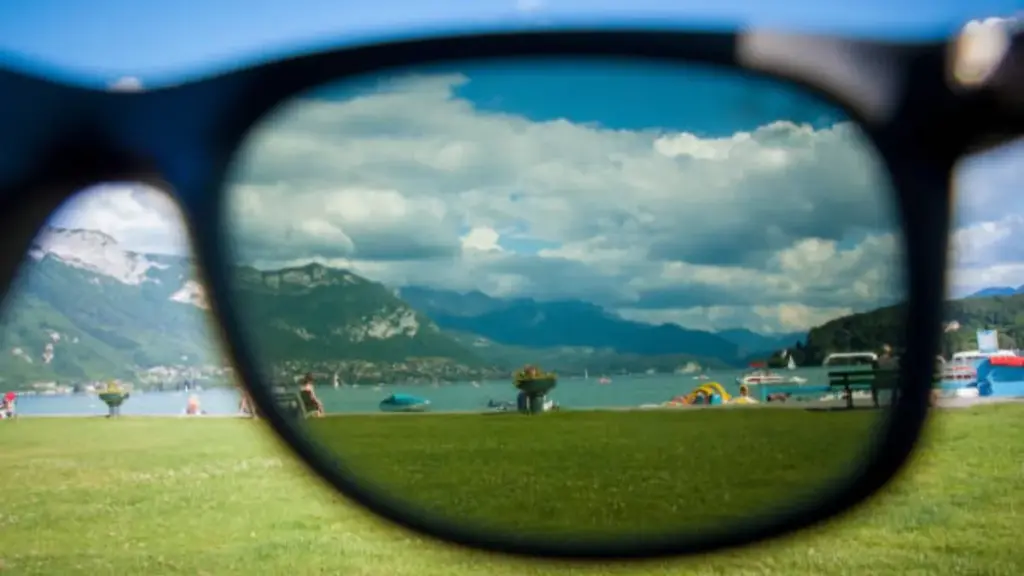
Frame style catches the eye. However, the lenses are the deciding factor for comfort and safety. Many people only look at how dark a lens is. This is exactly where many cheap sunglasses go wrong.
Master these key lens types:
- Polarized lenses: These lenses cut horizontal glare from roads, water, and snow. If you drive or fish, these are your best option.
- Photochromic lenses: These are smart lenses. They automatically adjust from lighter to darker if UV exposure increases. They are great for changing light.
- Mirrored lenses: These reflect more light away from the eyes. They reduce brightness. The look is bold and sporty.
- Gradient lenses: These are darker at the top and lighter at the bottom. Use them for driving. They block overhead sunlight but keep the dashboard visible.
- Tinted lenses: These come in colors like brown, gray, or yellow. Different tints act as contrast enhancers.
Prioritize UV protection
Real protection comes from proper UV blocking. It does not come from a dark shade alone. Look for UV400 or 100% UV Protection labels. If you choose sports models, insist on impact-resistant materials. Polycarbonate is a top choice. It handles debris and falls without shattering.
Types of Sports Sunglasses and Their Benefits
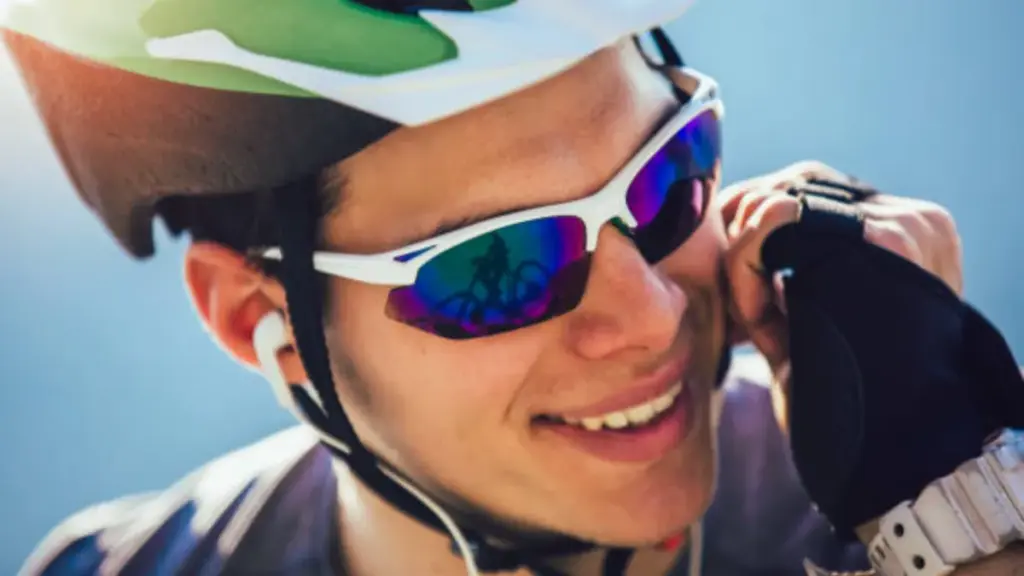
Sports sunglasses are not just “cooler-looking” shades. They are a separate category. They are built for performance, safety, and comfort. If you are in motion, the right pair improves how you see and feel.
Understand the types by activity:
- Cycling sunglasses: If you cycle, look for wraparound or shield designs. The coverage is wide. The frames are light and stable. The lenses often have vents to stop fogging.
- Running sunglasses: Runners need ultra-light frames. The grip on the nose and temples must be strong. Lenses are often slightly smaller to ensure better airflow.
- Hiking and trail sunglasses: Durability is key here. Lenses should be scratch-resistant and impact-resistant. Tints should enhance contrast on rocks and trails.
- Ski and snow sports eyewear: These are often goggle-style or large shields. Protection from UV and glare is high. Anti-fog coatings are standard. Ensure they are compatible with helmets.
- Water sports sunglasses: Grip is the priority. Lenses must be polarized to cut water glare. Some models are floatable or come with retainer straps.
Look for these common features:
- Wraparound shapes: They protect your sides. They keep your field of view wide.
- Impact resistance: Materials like TR90 frames and polycarbonate lenses are standard. They prevent serious injury from falls.
- Stability: Anti-slip nose pads and temple tips are crucial. They fight sweat and fog in real training conditions.
How Julong Elevates Sports Sunglasses
If you are a brand owner or wholesaler, understanding sports sunglasses as a user is not enough. You need a specialist manufacturer. This is where Julong stands out.
Julong is a specialist in private label sports eyewear. We have over 14 years of experience. Our focus is on high-performance products like sports sunglasses, ski goggles, and motorcycle goggles for global clients.
Julong combines an in-house R&D team with more than 150 patents. We design frames that are built for performance. Our construction uses TR90 materials. Our lenses are UV400 and impact-resistant.
Partner with a specialist like Julong if you plan your own sports sunglasses line. This makes it easier to turn “ideal types” into real products. Your customers can trust these products.
Explore more options directly at https://julongeyewear.com/.
Kinds of Sunglasses for Daily Life and Driving
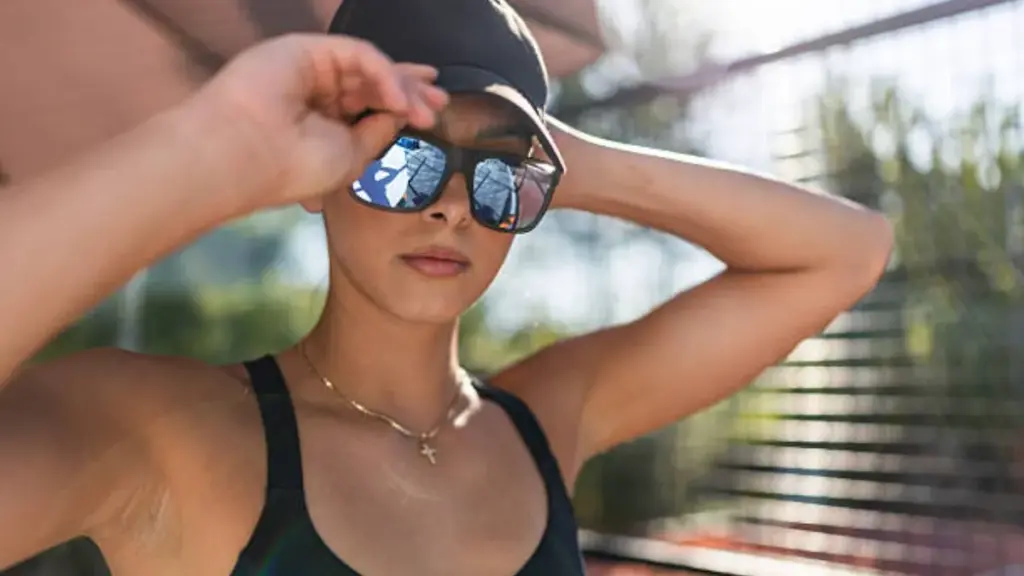
Your daily routine is the best indicator of the right sunglasses. Do not just ask, “What is the best pair?” Instead, ask yourself, “Where do I actually wear them most?”
For commuting and city life
- Best frame styles: Wayfarer, round, square, cat-eye, or browline.
- Ideal lenses: Choose gray or brown tinted lenses. A light mirror or gradient adds style.
- Why: These combinations act as a balance. You get style and enough coverage for walking or taking public transport.
For driving
- Best frame styles: Aviator, rectangular, or slim wrap styles. Ensure they fit well under a cap or headset.
- Ideal lenses: Polarized lenses are best for cutting road glare. Gradient lenses are good for dashboard visibility.
- Advice: Avoid frames that block your peripheral vision. Ensure they do not slip when you move your head. Comfort and clear vision are non-negotiable here.
For beach and vacation
- Best frame styles: Oversized, shield, or mirrored fashion styles. Ensure side coverage is good.
- Ideal lenses: UV400 mirrored or dark tints are essential. They deal with intense reflections from sand and water.
The crossover point:
In these everyday scenarios, a “regular” pair is fine. However, if your day includes speed, sweat, or impact risk, you need a change. If you run, cycle, or ski, you cross over into a different category: dedicated sports models.
How to Choose the Right Sunglasses Type for You
If you know the main types, translate that theory into a choice. This ensures the glasses fit your life. A simple step-by-step approach is the best way to avoid impulse buys.
Follow this checklist:
Step 1: Define your main purpose.
Ask yourself: Is this for daily wear? Is it for long drives? Is it for outdoor sports like cycling or skiing?
Step 2: Pick the lens type for your environment.
- If the sun is bright: Choose UV400 polarized or mirrored lenses.
- If the light changes: Choose photochromic lenses.
- If you are in the city: Choose gray or brown tints.
Step 3: Match frame styles to your face.
- For round faces: Square or rectangular frames act as a contrast.
- For square faces: Round or oval frames act as softeners.
- For heart-shaped faces: Aviator or cat-eye styles act as balancers.
Step 4: Prioritize sports-specific sunglasses.
Consider sports sunglasses a must-have if you train regularly. Do not settle for fashion frames for cycling or running. Look for wraparound designs and TR90 frames.
Tip: Brands like Julong design specifically for these needs. If you are a business, sourcing from a dedicated manufacturer ensures your products meet these performance standards.
Step 5: Check the fit and specs.
- Check the stability: Shake your head. The frame must not slip.
- Check the protection: Confirm the UV400 label.
- Check the safety: Ask about impact testing standards.
Final Thought
When you follow these steps, the topic of “different types of sunglasses” becomes clear. It stops being a confusing list. It becomes a practical guide. Make your choice confidently. Protect your eyes. If you are building a brand, work with the right partner to create the perfect product.