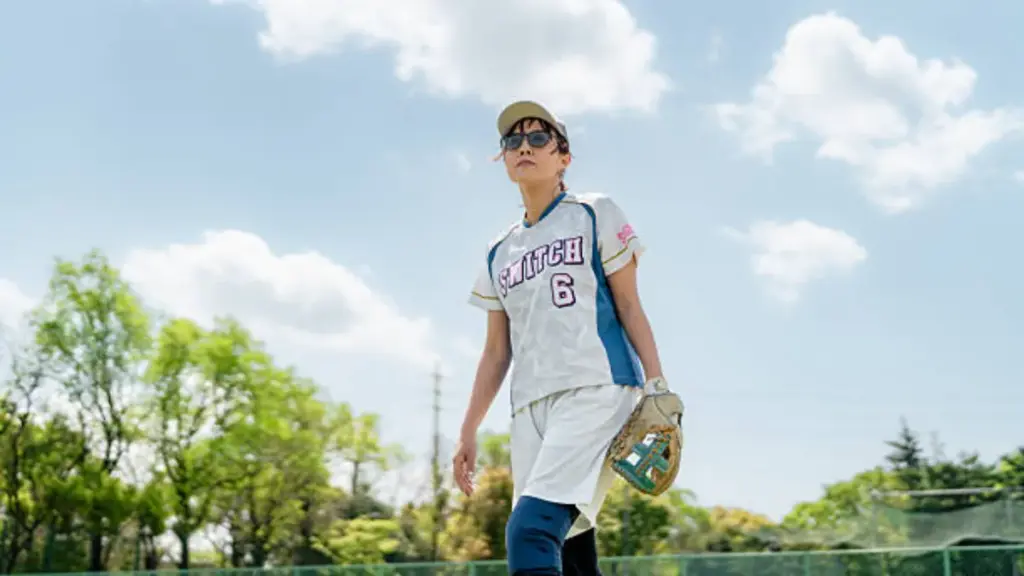
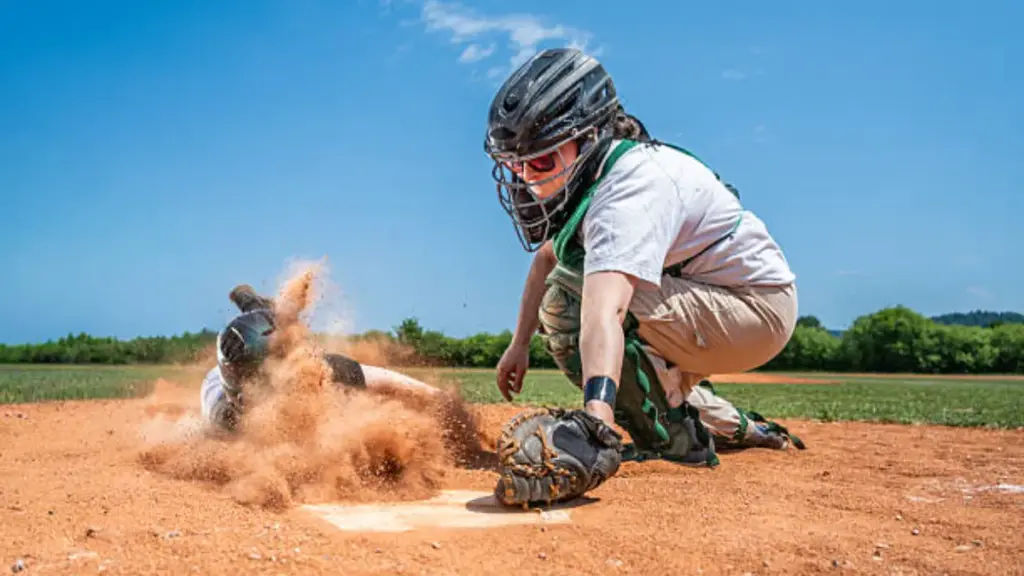
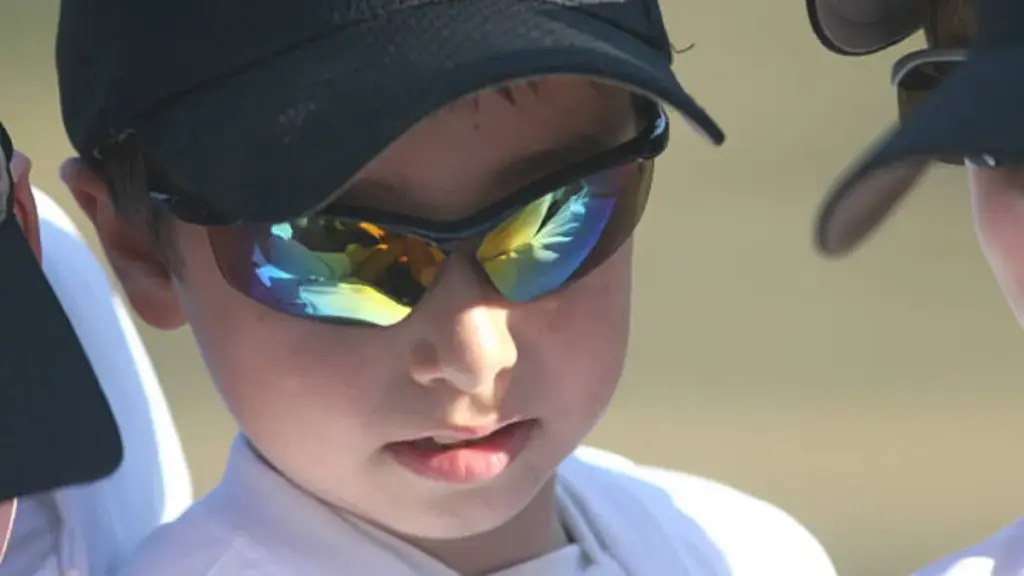
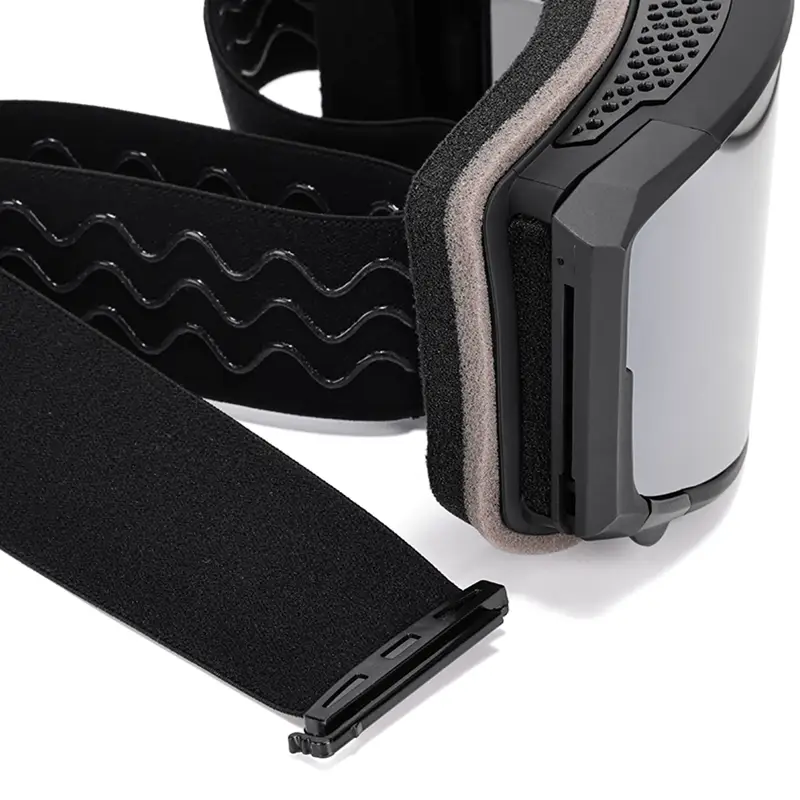
Wie man eine Baseball-Sonnenbrille trägt, hängt von zwei Dingen ab: eine stabile 3-Punkt-Passform (Nase + beide Tempel) und mit Kappen kompatible Bügel, die keinen Druck erzeugen oder den Rahmen nach vorne drücken. Nachfolgend finden Sie eine praxiserprobte Darstellung, Schritt-für-Schritt-Anleitung, mit der Sie ein Abrutschen verhindern können, periphere Sicht schützen, and stay comfortable for a full game—especially when wearing a baseball cap.

Best Techniques for Wearing Baseball Sunglasses on the Field
Start by choosing a frame that stays stable when you run, bend, and look up—because baseball movement (sprints, sudden stops, tracking fly balls) will expose any weak fit immediately. Many “best baseball sunglasses” recommendations emphasize a 3-point grip/fit concept (contact at the nose and both temples) specifically to prevent sliding and bouncing during play.
Use this simple on-field routine before the first pitch:
- Put sunglasses on first, then your cap, then re-check pressure behind the ears (cap edges can change temple alignment).
- Do 3 movement checks: short sprint, quick head shake, and “look up” test (simulate tracking a pop fly); adjust until the frame doesn’t shift.
- Confirm no bottom rim or frame edge is blocking vision when you look down and forward (important for grounders and quick glove transfers).
Preventing Sunglasses from Slipping During High-Speed Plays
Slipping is usually a friction and sweat-management issue, not “you need tighter sunglasses,” so fix moisture first and tension second. For sweat-heavy games, many athletes use a thin headband/bandana under a cap to reduce sweat running onto the face and eyewear, which helps keep sunglasses stable.
Actionable anti-slip checklist:
- Choose a secure nose bridge/nose pad design (a stable nose interface is repeatedly called out as key to reducing slide during sweat-heavy sessions).
- Add sweat control under the cap (thin headband/bandana) so less sweat reaches the pads and lenses.
- If allowed by your league and comfort needs, consider a simple retention strap during windy games or for outfielders who sprint and dive often.
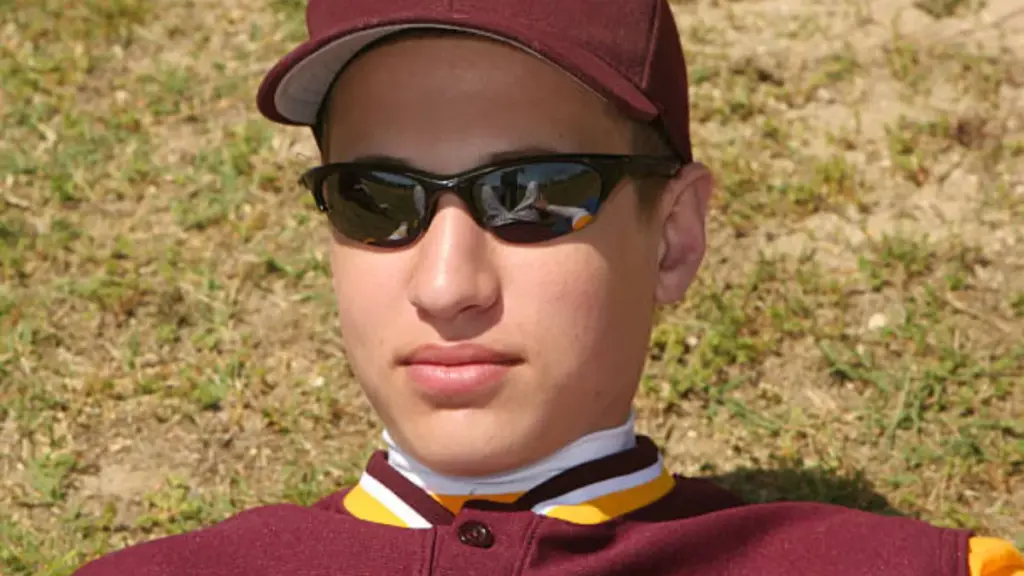
Correct Storage Methods During In-Game Transitions
The safest storage is a hard case in the dugout bag, because tossing glasses into a helmet or pocket increases scratch risk and frame warping over time. A common “convenience” habit is resting sunglasses on a hat, but people do this mainly for quick transitions—and it’s easy for them to fall and get scratched.
If you must park them between innings, use a consistent routine to reduce accidents:
- Prefer a case or a protected zip pocket in your bag over the hat brim.
- If you place them on your cap briefly, do it only when stationary and avoid leaning forward (that’s when many drops happen).
Adjusting Your Sunglasses for Better Peripheral Vision
Peripheral vision problems usually come from two fit errors: the frame sits too far from the face (creating side glare gaps) or it sits too low (cutting off the upper field of view when you look up). Some baseball-focused sunglasses guidance also notes that rimless-bottom or minimal lower frame designs can reduce obstruction when fielding and looking downward.
To optimize your view:
- Ensure the frame is centered and level before tightening anything else; uneven temple pressure can tilt the lenses and create “blind edges.”
- Check for light leaks from the sides under daylight; gaps can create unwanted glare and reduce visual comfort.
- If you frequently experience “sits too low / slides down,” consider fit options designed to sit higher and more securely on different face shapes (some brands offer alternative fit geometries for this reason).
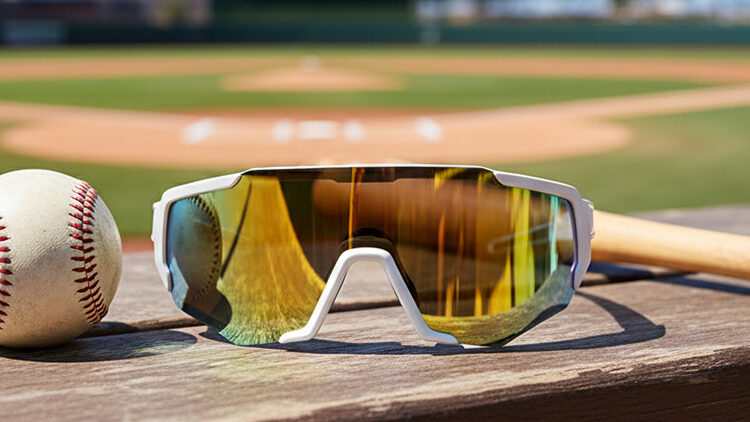
Julong’s Ergonomic Design: Your Partner in Comfort
For players who wear a cap every inning, the biggest pain point is often temple-arm pressure where the cap edge and ear meet, which can cause discomfort and constant micro-adjustments. Designs that emphasize slim arms and cap compatibility help reduce interference, pressure, and slippage—exactly what you want for long-game comfort and fewer distractions.
To make the “data-driven” fit conversation clearer for buyers such as coaches, team purchasers, and equipment managers, here’s how the key ergonomic specs typically map to real on-field outcomes.
| Fit / Ergonomic factor | What it controls on-field | Why it matters with a baseball cap |
|---|---|---|
| 3-point fit system ergonomics | Maintains stability using contact at the nose + beide Tempel, reducing bounce during sprints and fast head turns. | A cap can shift temple angles and create pressure points; stable 3-point contact helps prevent cap-induced slipping. |
| Rubber durometer (Shore A) for nose pads | Balances grip and comfort at the nose bridge when sweat reduces friction. | With a cap trapping heat, sweat increases; the right Shore A pad softness helps maintain hold without painful pressure. |
| Temple arm tension force (Newtons) | Determines clamping pressure—too low can slip, too high can cause headaches and ear hot spots. | Cap edges can press on the temples; balanced tension reduces ear pressure while keeping the frame secure in high-speed plays. |
In practice, Julong’s positioning emphasizes cap-compatible, ultra-thin temple arms as a comfort and stability solution—because thin temples are widely noted as a way to avoid cap interference and pressure points.
Ready to Work With Julong Eyewear?
If you’re sourcing Baseball-Sonnenbrille for teams, academies, or retail programs, align your spec sheet to the real pain points players complain about: slippage under sweat, cap/temple pressure, and vision obstruction on fly balls and grounders. We can support product development discussions around fit stability concepts (3-point fit), cap compatibility (slim temples), and game-specific comfort targets that reduce distractions over long wear.
FAQ
How do you wear sunglasses with a baseball cap?
Wear sunglasses first, then put on the cap, then re-check temple pressure because the cap can change how the arms sit around your ears. Choose frames with slim temples to reduce interference with the cap’s edges and improve comfort.
Why do players wear sunglasses on the back of their heads?
Many players do it for quick transitions—keeping eyewear accessible without putting it in a bag every time. The trade-off is a higher drop/scratch risk if the glasses aren’t secure.
How do I stop my sunglasses from sliding down when I sweat?
Reduce sweat reaching the frame by using a thin headband/bandana under your cap, then confirm the nose interface is stable. This approach is commonly suggested because sweat management directly reduces slippage.
Should you wear sunglasses under or over the hat?
For performance, sunglasses are typically worn normally on the face with the cap on top, then adjusted so the cap doesn’t pinch the temples. “Over the hat” (resting them on the brim/crown) is more of a temporary storage habit than a playing setup.
Is it okay to wear baseball sunglasses off the field?
Many baseball sunglasses are marketed for “active lifestyles” beyond sport, so casual off-field use is common. Just note that performance fit priorities (grip and coverage) may feel tighter than fashion sunglasses.
How tight should baseball sunglasses fit?
They should feel secure with a stable nose-and-temple contact (3-point fit) without painful pressure behind the ears. If they leave strong pressure marks or cause headaches—especially under a cap—you likely have too much temple pressure or poor cap/temple compatibility.