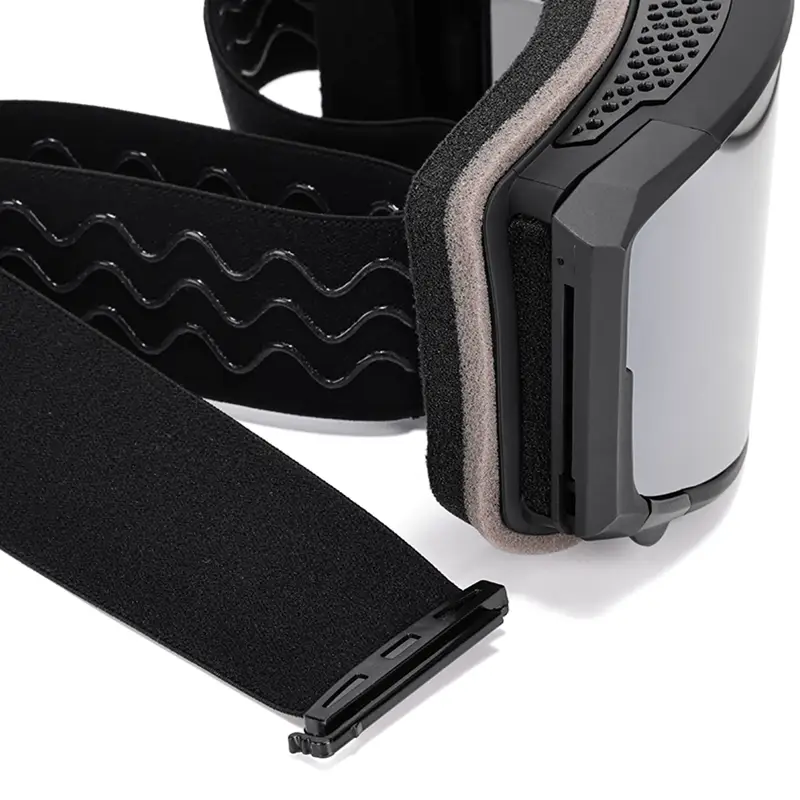
Youth baseball sunglasses aren’t just about comfort on sunny days. Instead, they’re an essential piece of safety and performance gear. They help young athletes track the ball more clearly while also shielding developing eyes from harmful UV rays.
Além disso, sports-specific sunglasses are designed to withstand impact. Regular eyewear, por contraste, may crack or shatter under pressure. In the worst cases, this can lead to dangerous secondary fragment injuries. For that reason, choosing eyewear that meets the right protection standards is not optional—it’s critical for both safety and on-field performance.
Why Youth Baseball Sunglasses are Essential for Players
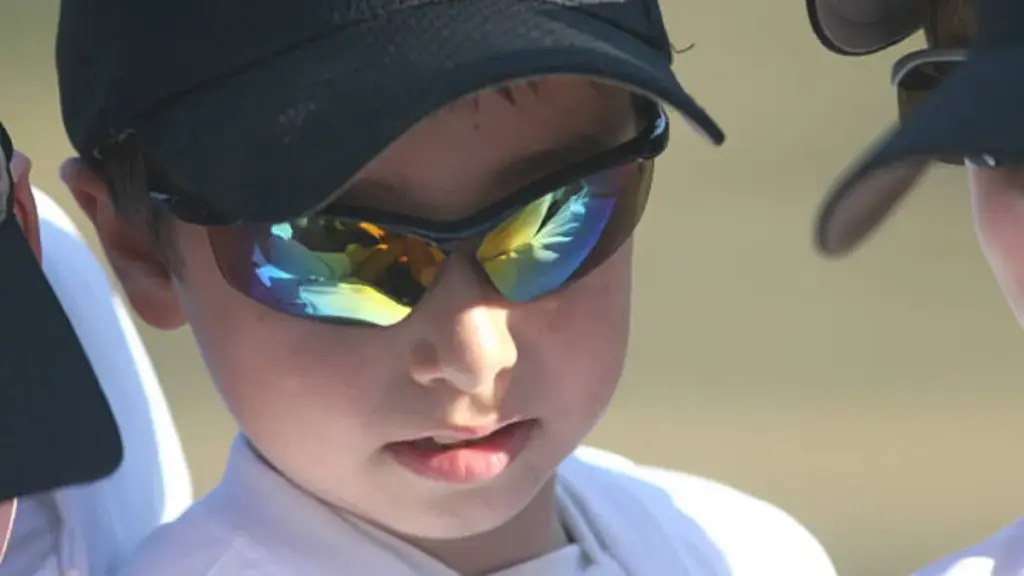
In baseball, visual tracking happens fast: a hitter picks up spin and release point, and a fielder reads a ball against sky glare or bright infield dirt—so glare control and stable fit directly affect play. Many youth players also practice or play during peak UV hours, and consistent UV400-rated protection helps reduce exposure during long seasons and tournaments.
Just as many youth sports safety programs emphasize preventing eye injuries through proper protective equipment, baseball families should also view eyewear as essential rather than optional. In other words, sunglasses should never be treated as a simple “nice-to-have” accessory.
Instead, the safer approach is to prioritize sport-rated designs. Por exemplo, look for impact-resistant lenses, secure retention systems, and full-coverage frames. By contrast, casual fashion sunglasses may not be engineered for contact sports or high-velocity objects. Como resultado, they can fall short when real protection is needed most.
Key Features of Best Sunglasses for Youth Baseball
When parents search for the best youth baseball sunglasses, the right answer is usually “the pair that matches your child’s risk level, field conditions, and comfort”—but there are non-negotiable technical features to look for.
- Proteção UV400: Aim for lenses that block 100% UVA/UVB (often labeled UV400), especially for developing eyes and long outdoor exposure.
- Impact resistance: Look for sport eyewear designed and tested for impact; several youth sports eye-safety programs reference ASTM F803 as an impact-resistance benchmark for protective eyewear.
- ANSI Z87.1 : For impact resistance language used in the U.S., ANSI Z87.1 is commonly cited for protective eyewear; if a supplier claims Z87.1, ask for test documentation and scope (lens + frame).
- Wrap-around coverage: Wrap styles help block side glare, vento, and dust, and can improve stability during sprinting and sliding.
- Slip-resistant contact points: Rubber nose pads and temple grips reduce bouncing and slipping during sweat-heavy innings.
If you’re shopping “sunglasses for youth baseball” from a retailer, prioritize verified standards and sport construction over brand hype—especially for kids who play travel ball or face higher ball speeds.
Youth Baseball Sunglasses Sizing and Fitment Guide
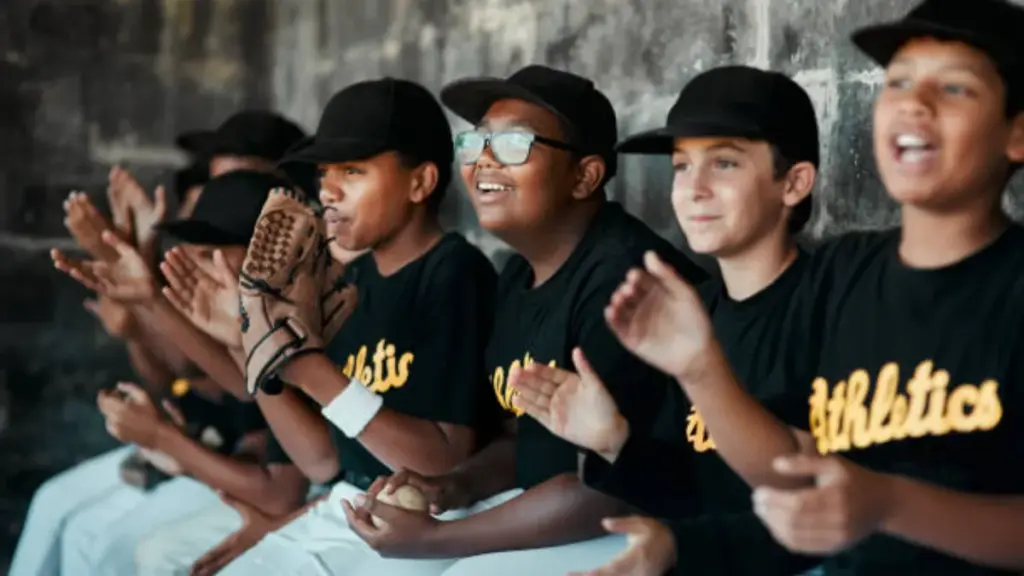
Fit is performance. If sunglasses slide down or pinch, kids will push them up constantly or stop wearing them—undoing the safety benefits. Wrap-around sports designs are often recommended because they contour the face and improve stability, but they must be sized correctly to avoid pressure points and fogging.
Use this simple home check before you buy kids baseball sunglasses:
- Temple fit: Arms should sit snugly without bending outward aggressively.
- Nose fit: No sliding when your child looks down and shakes their head gently.
- Cobertura: The lens should protect the eye area from front and side glare (wrap helps).
For retailers/distributors, offering 2 youth size options, younger kids and older youth, and adjustable nose pieces can reduce returns and increase repeat purchases because fit issues are the #1 complaint category in sports eyewear.
Lens Color Options for Different Baseball Field Conditions
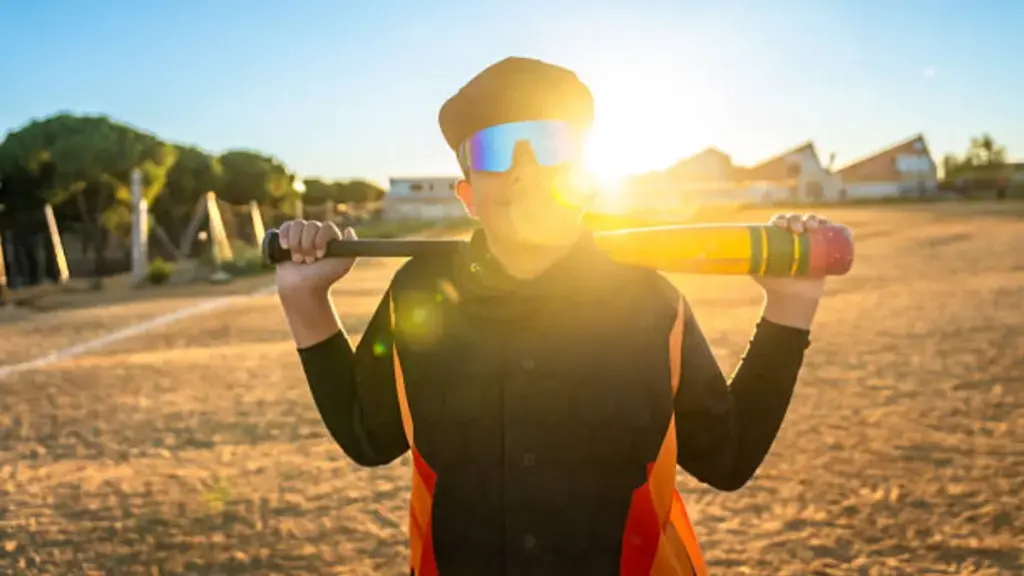
Lens color is not just style—it changes contrast and how easily a young player can see the ball against different backgrounds. Polarized lenses can reduce harsh glare, especially off bright surfaces, which may improve comfort during sunny games. No entanto, polarization alone doesn’t guarantee impact protection, so it should never replace sport-rated construction.
General guidance (validate with real on-field testing for your region and typical game times):
- Gray/Smoke: Balanced brightness reduction for very sunny, open fields.
- Brown/Bronze: Often chosen for boosting contrast in variable light.
- Yellow/Amber: Can brighten perception in lower light or overcast conditions.
If you sell youth polarized sunglasses baseball styles, make sure your product page explains the difference between glare reduction (polarization) and impact rating.
Comparing Impact Resistance in Youth Baseball Gear
Impact safety is where sports eyewear earns its price. Some organizations and safety programs explicitly emphasize protective eyewear that meets or exceedsASTM F803 impact resistance standards for sports eye protection.
Below is a practical comparison to help parents and buyers understand what they’re actually buying (and why “regular sunglasses” can be risky).
| Eyewear Type | Impact Readiness | Typical Risk in Baseball | Melhor caso de uso |
|---|---|---|---|
| Julong PC “Explosion-Proof” Sports Lenses ↗ | Engineered for sports use with impact-safer PC (Policarbonato) lens direction (ask for test reports per target standard). | Lower risk of shatter/fragment issues vs. non-sports eyewear when impact happens (ball, elbow, ground contact). | Youth baseball teams, leagues, and brands needing safer sports eyewear positioning. |
| Casual fashion sunglasses | Often not sport-rated; impact performance may be unknown. | May crack or shatter upon impact; potential secondary fragment risk. | Off-field lifestyle only. |
| Óculos de sol esportivos (impact-resistant build) | Designed for active use; may include impact-resistant lenses/frames. | Better protection vs. incidental impact and debris, but verify testing/claims. | Practice + games for most youth players. |
| Protective sports eyewear meeting ASTM F803 | Sport-focused protective eyewear standard commonly referenced for impact performance in sports like baseball. | Higher confidence for high-velocity impact scenarios compared with non-rated eyewear. | High-intensity play, safety-first leagues, and parents prioritizing maximum protection. |
Where does ANSI Z87.1 fit? It’s widely recognized for protective eyewear in the U.S., but you should confirm the specific model’s testing claims and documentation—especially for youth sports use—rather than relying on generic marketing language.
Why Partner with Julong for Your Youth Eyewear Line?
If you’re a retailer, distributor, or brand building a youth sports collection, partnering with an OEM/ODM manufacturer that understands standards, materiais, and bulk execution can be the difference between a “one-season SKU” and a repeatable line.
O Engenheiro focuses on sports sunglasses applications and supports OEM/ODM development for brands that want their own youth sports line, including youth baseball sunglasses built around impact-resistant materials and performance features.
Key reasons Julong fits youth baseball programs and bulk buyers:
- Safety-first lens direction: Julong can position “PC explosion-proof lens technology” as an impact-safer alternative for youth baseball use cases, reducing the chance of secondary fragment injuries compared with non-sport eyewear.
- Compliance literacy for export markets: For brands selling across regions, Julong’s experience with standards and certifications (Por exemplo, ISO 12312-1 for sunglasses in the EU context, and impact-related standards like ANSI Z87.1 when required by channel strategy) supports smoother go-to-market planning.
- Sport-ready materials: Youth players need lightweight comfort and durability; sport eyewear commonly emphasizes lightweight frames and impact-resistant lenses to withstand gameplay.
If your business goal is high-turnover “kids baseball sunglasses” that parents trust, the winning combination is: clear safety story + verifiable test pathways + consistent supply for team orders and seasonal peaks.
Perguntas frequentes
Do youth baseball players need sunglasses?
They don’t “need” them for every game, but they’re strongly recommended for bright conditions because they reduce glare and help protect developing eyes from UV exposure. For safety, choose sport-designed eyewear rather than casual sunglasses.
What age for kids’ baseball sunglasses?
Most kids can start once they can reliably keep eyewear on, tolerate a secure fit, and follow basic care rules—what matters more than age is correct sizing and a stable fit for active movement. Wrap-around sports designs are often used because they improve coverage and stability.
Are polarized glasses better for youth baseball?
Polarized lenses can help with glare reduction on sunny fields, but polarization is not the same as impact resistance—so confirm the sunglasses are built and tested for sport impact needs, not just glare control.
How do I measure my child’s face for sunglasses?
Use an existing pair that fits well as a baseline (lens width + bridge + comprimento do templo) and prioritize real-world fit checks: no sliding on a head shake, no pressure points, and adequate side coverage (wrap helps).
What color lens is best for youth baseball?
There isn’t one “best” color; gray is common for bright sun, brown/bronze can increase contrast, and yellow/amber can help in lower light. The best choice depends on your typical field lighting and game times.
Can kids wear prescription baseball sunglasses?
Sim, many families choose prescription sports eyewear for athletes who need vision correction, and safety programs often emphasize proper protective eyewear for children in sports to prevent eye injuries. For higher confidence, look for protective eyewear designs aligned with sports impact benchmarks (Por exemplo, ASTM F803 references).