Baseball flip-up sunglasses solve a real on-field problem: players need instant glare control without stopping play or swapping lenses. They only work well when the flip mechanism is engineered for repeatability—hinge tolerance, damping feel, and optical quality matter as much as the lens tint.
What are Baseball Flip-Up Sunglasses and Their Benefits
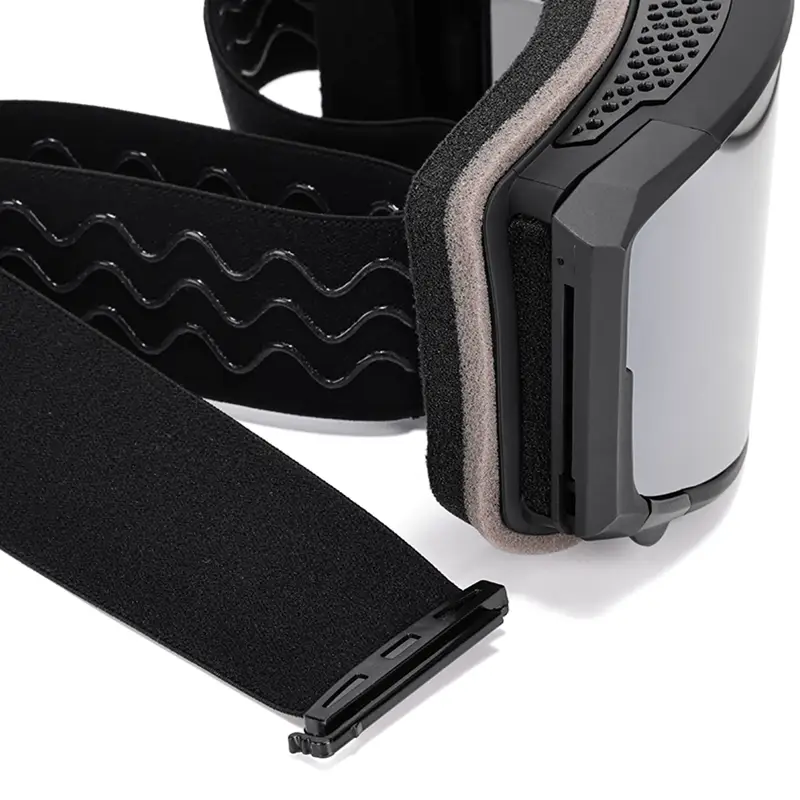
Baseball flip-up sunglasses are sports sunglasses with a lens shield (or secondary lens element) that flips up and down so the athlete can adapt to changing light fast.
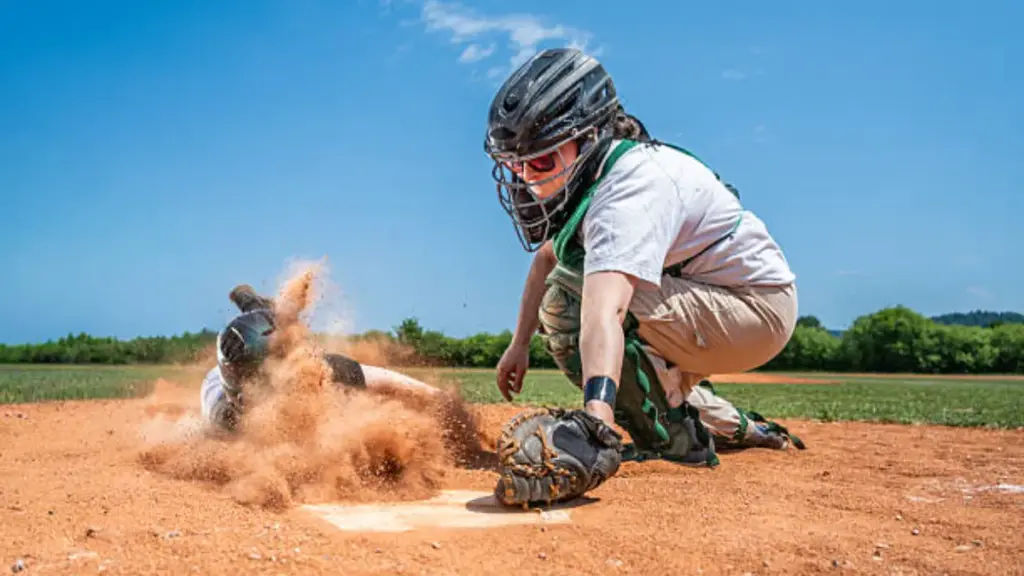
In baseball, that “fast adapt” moment often happens between tracking a ground ball and then looking up into the sky, or when moving from shaded dugout areas to direct sun.
Compared with carrying a second pair, a flip structure keeps the eyewear on the athlete’s face, which can reduce interruptions and maintain visual rhythm.
Key benefits for players and teams
- Rapid light adaptation without removing eyewear.
- Reduced handling (less chance of dropping or smudging lenses during play).
- Practical “up/down” workflow that older-school fielders used specifically for ball-in-air moments.
Core Types of Flip-Up Sunglasses for Baseball Players
In the market, “flip” baseball eyewear generally shows up in a few structural directions, and each one has different failure modes.
First are integrated shield designs, where the front lens flips as a single piece; this is usually the most stable when the hinge is well built.
Second are add-on styles that behave more like “flip-down sunglasses for baseball,” which can be convenient but often introduce alignment and wobble risks if the attachment points are loose.
From a buyer’s perspective, you’ll also see naming overlap: consumers may search “flip baseball sunglasses” or “flip down baseball sunglasses,” even when they mean the same flip mechanism.
Here are 5 Best Baseball Sunglasses reviews in 2026:
This video provides a clear and comprehensive overview of the top baseball sunglasses for 2026, covering options for youth, adults, and various budgets. It objectively highlights key performance features such as lens clarity, field of view, UV 보호, and fit, helping viewers understand how each model performs in real-game situations. Oakley Sutro Light and Mframes are presented as high-performance options for serious players, combining style and functionality, while Pit Viper focuses on adjustability and playful designs for younger athletes. X-tiger offers an affordable alternative without sacrificing basic performance, 그리고 100% S3 is tailored for outfielders needing wide coverage and ventilation. Overall, the video also reflects the current trends in baseball sunglasses for this year, from bold, stylish designs to high-performance, functional options.
Hinge Durability in Professional Flip-Up Eyewear
For flip-up products, the hinge is the product.
A professional spec should define an internal hinge cycle test (commonly expressed as 10,000+ flips) because wear shows up as loosening, tilt drift, or uneven closing force long before a hinge “breaks.”
게다가, you want consistency of resistance across cycles, not only survival, because inconsistent “feel” changes how confidently a player flips the lens during tracking.
Why flip-up damping resistance matters
Flip-up damping resistance is the controlled force profile a player feels while flipping the lens up or down.
If damping is too light, the shield can snap, bounce, or reopen slightly after closing, which can pull attention away at the wrong time.
If damping is too heavy, players hesitate to flip quickly, which delays glare control and disrupts timing.
Engineering levers brands should ask for
- Hinge cycle durability target (예를 들어, 10,000+ flips) and what “pass/fail” means (torque range, looseness, or closure stability).
- Mold and assembly tolerance plan, because small stack-ups can become big wobble at the lens edge.
- Prototype-to-production repeatability, since hinge “feel” often changes when a concept moves from prototype parts to mass production.
Comparing Flip Up vs Standard Baseball Sunglasses
A standard pair is simpler and can be more stable, but it forces the player to accept one tint choice for all conditions.
Flip-up can outperform in rapidly shifting light, but only if the hinge remains tight and predictable through repeated use.
Here’s a practical, decision-style comparison.
| Decision factor | Flip-up baseball sunglasses | Standard baseball sunglasses |
|---|---|---|
| Light transitions | Fast “up/down” adjustment during play (best use case). | No instant adjustment; relies on one tint choice. |
| Mechanical risk | Hinge wear can cause looseness or instability over time. | Fewer moving parts; typically more stable. |
| User handling | Less removing/switching; flip action must be smooth and controlled. | Simple wear, but players may still swap pairs in changing conditions. |
Optical Performance Standards for High-Speed Sports
For baseball player sunglasses, optics are not “nice-to-have.”
When the lens has avoidable power error, prism, or axis issues, it can subtly change perceived position or sharpness—exactly what you don’t want in a high-speed ball sport.
That is why many teams and serious buyers use tolerance language when they talk to labs and factories.
How to reference Sphere and Prism Tolerances
ANSI Z80.1 provides tolerance guidance for spectacle lens power, including sphere power tolerance (예를 들어, within ±0.13 D for certain ranges) and prism requirements such as prismatic power at the prism reference point not exceeding 0.33Δ.
It also notes prism reference point location tolerance (not more than 1.0 mm away from specified position), which matters when you want consistent optics from unit to unit.
Even if your flip-up product is not a prescription lens project, these numbers are helpful as a shared language for “optical consistency” in verification discussions.
Ready to Custom Flip Up Sunglasses With Julong Eyewear?
When flip structures fail in the field, the root causes are usually predictable: hinge loosening, tolerance stack-up, and inconsistent assembly control.
That’s why custom flip projects need a supplier that treats the hinge as a controlled engineering subsystem, not just a styling feature.
When you work with 엥거 for the first time, the practical pathway is: confirm your flip mechanism target feel, validate hinge cycle performance (your brief mentions 10,000+ flips), and lock structural tolerances before scaling.
On our side, we position around fast development and manufacturing readiness—our About page highlights a 1-hour manuscript, 7-day sample, and after-sales support with service points in China and the US.
If your brand is building a differentiated “flip down baseball sunglasses” line, we can align prototyping and tooling conversations around the real pain points—hinge stability and repeatable flip resistance—so your final product feels consistent, not just functional.
FAQ
Why do baseball players wear flip-up glasses?
They want quick glare control without removing eyewear, especially when shifting from shaded views to looking up into the bright sky.
Are flip-up sunglasses still used in MLB?
They show up more as an “old school” tool today, and at least some MLB commentary notes players do not use them as much anymore.
How do flip-up sunglasses work for outfielders?
They can keep the shield up for lower-glare moments and flip down when tracking a ball into brighter sky, which matches the classic “ball goes up, flip down” use pattern.
Are flip-up glasses better than interchangeable lenses?
They can be better for instant transitions, while interchangeable systems can offer more tint options but usually require stopping to swap lenses.
Can you add flip-ups to regular glasses?
There are add-on flip styles on the market, but stability depends heavily on attachment and hinge quality.
What are the best flip-up sunglasses for pitchers?
Pitchers generally need stable optics and predictable glare control; the “best” choice depends on lighting, fit stability, and whether the hinge stays tight over repeated cycles.