When browsing for eyewear—whether for industrial procurement, sports retail, or personal protection—you will inevitably encounter a confusing alphabet soup of codes: Z87+, Z80.3, D3, U6. For many buyers, these markings are just regulatory hurdles. Tuttavia, understanding the specific Ansi standards for eyeglasses is not merely about compliance; it is about knowing precisely how much protection sits between your eyes and a high-velocity projectile.
A Julong Occhiali, we believe an educated buyer is our best partner. This guide dissects the three most critical American National Standards Institute (Ansi) benchmarks—Z87.1, Z80.3, and Z80.1—to help you distinguish between fashion-grade sunwear and industrial-grade armor.
What Are ANSI Standards Glasses and Why Do They Matter?
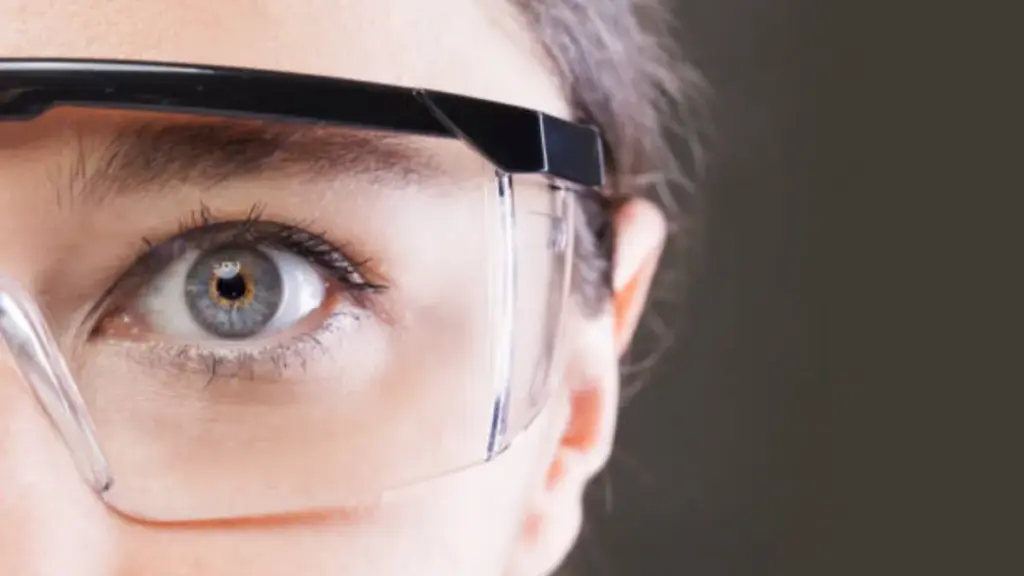
Before analyzing the differences, it is crucial to clarify what “ANSI certified” actually means. The American National Standards Institute (Ansi) does not manufacture eyewear, nor do they test it themselves. Instead, they establish the performance criteria that manufacturers must meet.
When we refer to ANSI standards glasses, we are discussing a rigorous set of testing protocols designed to ensure eyewear performs predictably under stress. These standards dictate everything from optical clarity (ensuring the lens doesn’t distort your vision) to physical durability (ensuring the lens doesn’t shatter upon impact).
For sports and safety eyewear, the distinction usually comes down to energy absorption. A pair of standard sunglasses is designed to block light and withstand minor fumbles. Al contrario, ANSI standard Z87.1 safety glasses are engineered to survive violent impacts, chemical splashes, and radiation, providing a critical layer of defense in hazardous environments. Understanding this hierarchy is the first step in selecting the right product for your specific application.
ANSI Z80.3 Explained: The Standard for Everyday Sunglasses
If you pick up a pair of sunglasses at a gas station or a high-end fashion boutique, they likely adhere to ANSI Z80.3. This is the standard for non-prescription sunglasses and fashion eyewear.
The Requirements
The Z80.3 standard focuses primarily on optical quality and UV protection. It ensures that the lenses block harmful ultraviolet light (UVA/UVB) effectively and do not introduce prismatic errors that could cause headaches or eye strain.
Regarding impact resistance, Z80.3 is relatively lenient. To pass, a lens must withstand the “Drop Ball Test,” where a 5/8-inch steel ball (weighing approximately 0.56 ounces) is dropped from a height of 50 inches.
The Limitations
While this ensures the lens won’t shatter if dropped on the pavement, it offers minimal protection against high-speed debris. For activities like jogging, pesca, or driving, Z80.3 is perfectly adequate. Tuttavia, for dynamic sports where rocks, balls, or equipment might strike the face, this standard falls short. It is an “everyday shield,” not a safety barrier.
ANSI Z87.1 Decoded: The Gold Standard for High-Impact Safety

This is the benchmark that matters most for high-risk environments. When people ask “what are Z87 safety glasses,” they are referring to eyewear that has passed the rigorous ANSI/ISEA Z87.1 testing protocols for occupational and educational personal eye and face protection device.
IL “Z87+” Distinction
You will often see two markings: Z87 (Basic Impact) and Z87+ (High Impact). The difference is substantial.
- Z87 (Basic): Must pass the drop ball test (1-inch steel ball).
- Z87+ (High Impact): This is where true performance lies. To earn the “plus” mark, the eyewear must survive two aggressive tests:
- High Mass Impact: A 500g (1.1 lb) pointed weight dropped from 50 inches. This simulates being struck by a heavy tool or falling object.
- High Velocity Impact: A ¼-inch steel ball shot at the lens at speeds of 102 mph (150 fps) for spectacles, and up to 250 fps for goggles.
Beyond Impact
The ANSI standard for safety glasses has evolved. IL 2020 update to Z87.1 introduced specific ratings for modern needs, such as Splash Protection (D3), Dust (D4), and significantly, Anti-Fog coatings (X). For athletes and workers, Z87+ represents the baseline for “Action Armor”—gear that protects against catastrophic eye injury.
Z87.1 contro. Z80.3 contro. Z80.1: A Quick Comparison Guide
The following table outlines the key differences between the Z80.3 vs Z87 standards, as well as the Z80.1 prescription standard. This comparison is essential for understanding the protection trade-offs.
| Caratteristica | ANSI Z80.3 (Sunglasses) | ANSI Z87.1+ (High Impact Safety) | ANSI Z80.1 (Prescription) |
|---|---|---|---|
| Primary Focus | Protezione UV & Fashion | Physical Impact & Hazard Protection | Optical Prescription Accuracy |
| Impact Test | 5/8″ Steel Ball (Drop) | 1/4″ Steel Ball @ 102 mph (Velocity) | 1″ Steel Ball (Drop) |
| Lens Thickness | Variabile (often thinner) | Minimum 2.0mm (usually thicker) | Depends on Rx power |
| Markings | Brand logo usually sufficient | Must require “Z87+” on frame/lens | Manufacturer mark |
| Best Use | Corsa, Beach, Guida | Tiro, Industrial, MTB, Airsoft | Daily wear for vision correction |
Nota: ANSI Z80.1 specifically governs prescription ophthalmic lenses. While these lenses are impact-resistant (FDA requirement), they are not rated for high-velocity industrial impacts unless they are specifically processed as Z87-2 (Prescription Safety).
How to Choose the Right Protection Level for Your Sport

Selecting between Z80.3 and Z87.1 depends entirely on the velocity and mass of the potential hazards in your environment.
When is Z80.3 Enough?
For non-contact sports like marathon running, road cycling, escursionismo, o golf, the primary threats are sunlight and wind. The likelihood of a high-velocity projectile striking the eye is low. Here, prioritizing the lighter weight and variety of tints found in Z80.3 eyewear is a logical choice.
When is Z87.1 Mandatory?
If you are involved in activities where debris moves faster than gravity, you need ANSI standard Z87.1 safety glasses.
- Shooting Sports & Hunting: Recoil, ejected casings, and environmental debris require Z87+ protection.
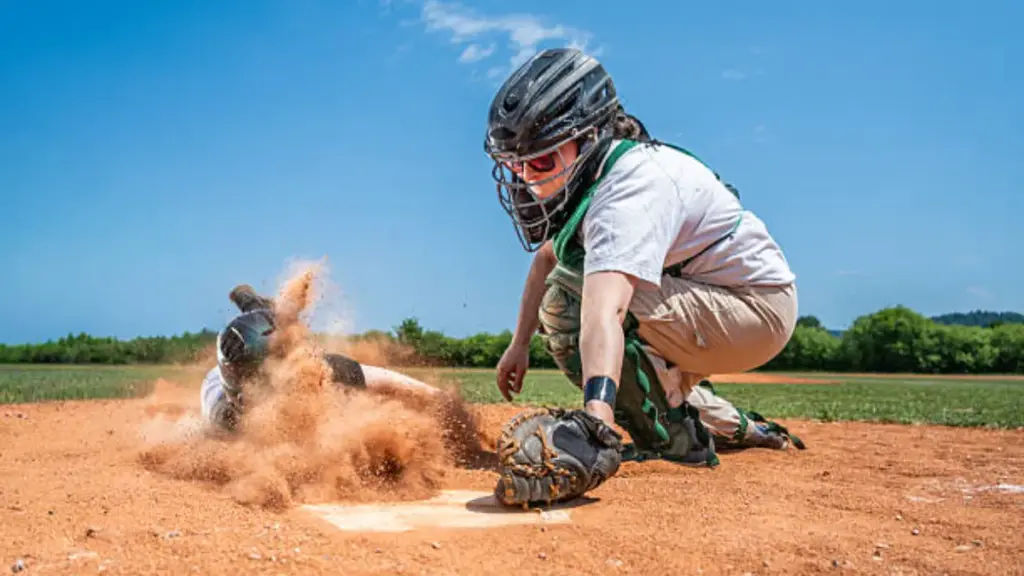
- Mountain Biking (MTB): Trails are unpredictable. Tires can kick up rocks at surprising speeds. A Z80.3 lens might shatter upon impact with a sharp stone, sending shards into the eye.
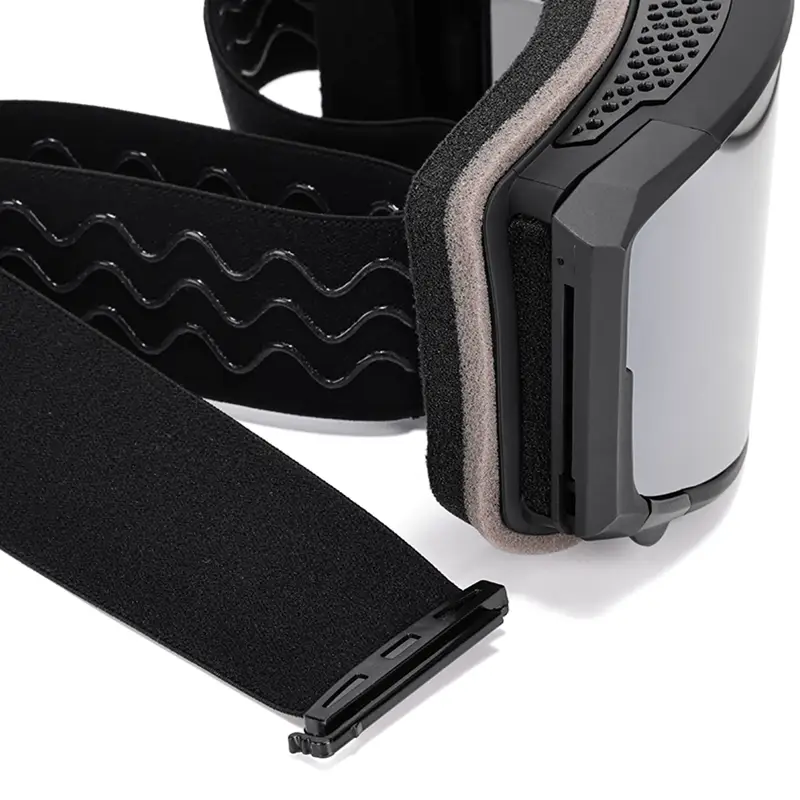
- Airsoft/Paintball: These sports mandate strict adherence to safety standards, often requiring full-seal goggles that exceed basic Z87 specs.
L'Enger: Merging Z87+ Safety with Premium Sports Style
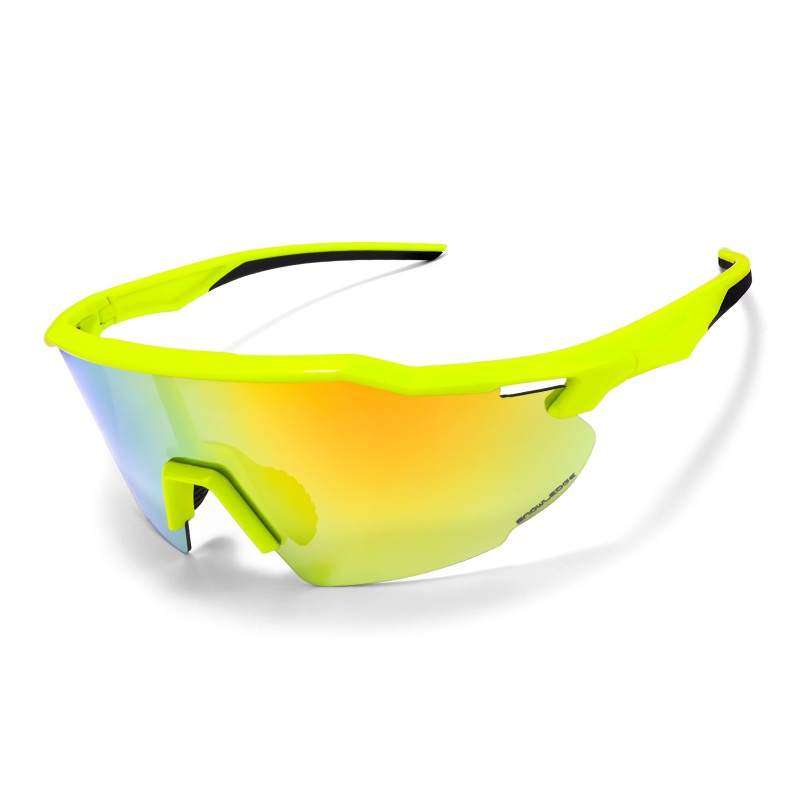
Historically, a compromise existed in the eyewear market: you could have the sleek aesthetics of fashion occhiali da sole, or the bulky, utilitarian protection of safety glasses.
E occhiali Julong, we have eliminated that compromise.
By leveraging advanced polycarbonate injection molding and precision engineering, we produce frames and lenses that meet the stringent ANSI Z87.1 high-velocity impact requirements without sacrificing style.
Julong manufacturing capabilities allow for:
- Sleek Profiles: Wraparound designs that offer full lateral protection without the “goggle” look.
- Advanced Coatings: Incorporating Z87-compliant anti-fog (X) and anti-scratch technologies.
- Personalizzazione: Delivering safety-rated photochromic and polarized options that are often hard to find in the industrial sector.
Whether you are sourcing for a private label sports brand or an industrial safety distributor, Julong bridges the gap. We ensure your customers don’t have to choose between looking professional and being protected.
FAQs About ANSI Lens Markings
What does the “U” marking mean?
IL “U” followed by a number (PER ESEMPIO., U6) indicates the level of Ultraviolet (UV) filtration. U6 is the highest rating, blocking 99.9% dei dannosi raggi UV.
Can I use my prescription glasses as safety glasses?
Generally, no. Regular dress eyewear (Z80.1) is not designed to withstand high-velocity impacts. Tuttavia, prescription safety glasses do exist. These must be marked with Z87-2, indicating they meet the impact requirements while carrying a corrective prescription.
What is the “S” marking?
“S” stands for Special Purpose Tint. This is often seen on lenses with unique transmission curves, such as didymium lenses for glassblowing or specific filter lenses that don’t fit standard shade categories.
Is Z87 the same as OSHA compliant?
Not exactly. OSHA is the federal agency that enforces workplace safety laws. OSHA requires employees to wear eye protection that meets specific standards. In the US, OSHA references the ANSI standard for safety glasses (Z87.1) as the accepted benchmark. COSÌ, wearing Z87+ gear ensures you are OSHA compliant.