Lost fly balls lose games. For an outfielder, the “high sky”—that blinding combination of direct sunlight, atmospheric haze, and bright cloud cover—is the ultimate adversary. When a white ball disappears into a white or azure background, reaction time drops to zero. Consequently, the difference between a game-saving catch and a bases-clearing double often comes down to optical clarity.
तथापि, the eyewear market is flooded with generic “sports glasses” that fail to address the specific physics of outfield play. For distributors and retailers, understanding these nuances is critical. It allows you to curate a high-performance inventory that solves real player problems rather than just filling shelf space.
परजूलोंग, we specialize in manufacturing position-specific eyewear solutions. This guide analyzes the technical debate between polarized and non-polarized lenses, explores the physics of contrast, and outlines the manufacturing standards required for professional-grade baseball sunglasses.
Why Outfielders Require Specific Eyewear Solutions
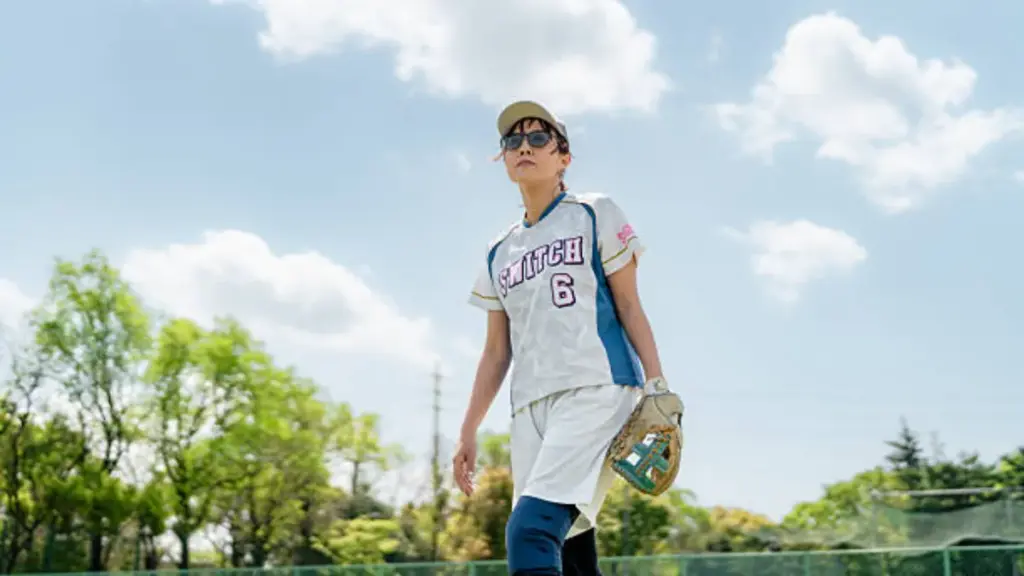
The visual demands of an outfielder are fundamentally different from those of a batter or infielder. An infielder looks down at the dirt; a batter looks horizontally at the pitcher. इसके विपरीत, an outfielder spends the majority of critical tracking time looking upward.
This upward gaze introduces unique optical challenges. The “Rayleigh scattering” effect creates a blue sky dome that can camouflage a white baseball. आगे, the sun’s position changes the angle of glare throughout a nine-inning game.
इसलिए, standard dark lenses are often insufficient. They lower overall brightness but fail to separate the target from the background. Outfielders require a filtration system that selectively manages light spectrums. They need tools that enhance edge detection at distances exceeding 300 feet. Without this, depth perception suffers, and the “first step” reaction is delayed.
Polarized vs Non-Polarized Lenses for Outfield Play
The debate over polarization in baseball is contentious. For years, traditional coaching wisdom suggested avoiding polarized lenses entirely. तथापि, lens technology has evolved, and the answer is no longer binary.
The Case for Non-Polarized Lenses
Most professional players, particularly infielders and hitters, prefer non-polarized lenses. The primary argument is depth perception. Polarized filters align light horizontally to kill glare. कभी-कभी, this flattening effect can alter the perceived distance of a moving object. इसके अतिरिक्त, some players report a “shimmer” effect when looking at digital scoreboards or tempered glass, though this is less relevant during active play.
The Case for Polarized Outfield Lenses
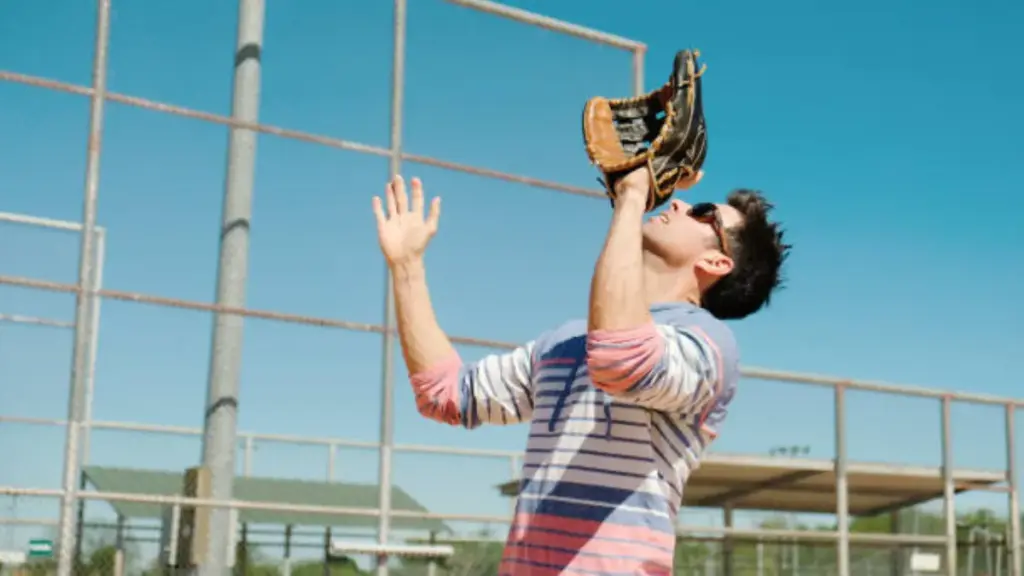
Outfielders are the exception to the rule. Because their primary background is the sky, they face atmospheric glare rather than just surface glare. High-quality polarized lenses (>99% efficiency) can strip away the white haze of a humid summer day, rendering the sky a deeper blue. This darkening effect creates a more distinct backdrop for the white leather of the baseball.
For your inventory, a mixed approach is best. We recommend High-Contrast Non-Polarized Lenses as the safest recommendation for general play. तथापि, for specialized outfield equipment, a refined polarized lens—engineered to balance glare reduction with depth retention—is a powerful tool for day games.
Ideal Lens Colors for Tracking Balls in the High Sun
Tint color is not an aesthetic choice; it is a light management tool. To track a white ball against a blue sky, the lens must filter out the blue light to let the white ball pop.
The Science of Amber and Copper
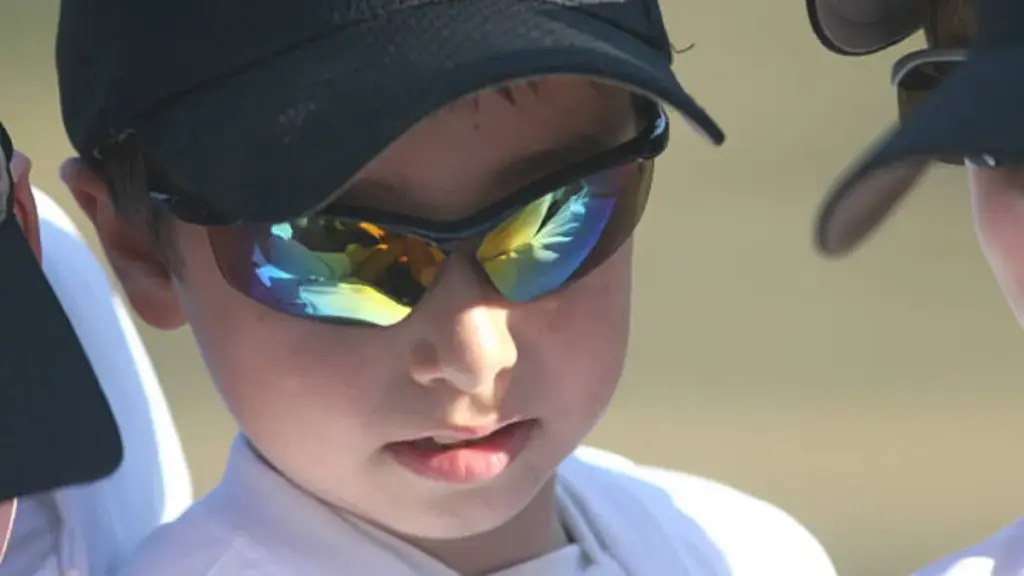
Blue light scatters easily, creating visual haze. इसलिए, lenses that absorb blue light are superior for tracking. अंबर, copper, and rose tints effectively block these blue wavelengths. When the blue background is darkened, the white ball—which reflects all wavelengths—appears brighter and sharper by comparison.
Julong’s Specialized Tint Development
पर जूलोंग, our R&D team has spent years perfecting our“High-Contrast Amber” और“Deep Copper” spectrums. Unlike generic dyes, our tints are engineered to manipulate the transmission curve. We specifically target the 400nm-500nm range (blue light) while boosting transmission in the red and yellow spectrums.
This results in a lens that offers:
- Enhanced Depth Perception: Objects appear more defined with sharper edges.
- Background Separation: The ball visually “detaches” from the clouds.
- Consistent Performance: Clarity remains stable even as cloud cover shifts.
| लेंस का रंग | वीएलटी (Transmittance) | Best Condition | Outfield Performance |
|---|---|---|---|
| Deep Amber / Copper | 12% – 16% | Bright Sun / Blue Sky | Elite Contrast Excellent for tracking white balls against blue sky |
| गुलाब / Vermilion | 18% – 25% | घटाटोप / चर | High Detail Good balance for changing light conditions |
| Neutral Gray | 10% – 15% | Extremely Bright Light | Low Contrast Mainly reduces brightness, less contrast boost |
| स्पष्ट / पीला | 80% – 90% | Night Games | Safety Focused Maximizes visibility while adding basic protection |
Frame Wrap Geometry and Peripheral Vision Coverage
Optical clarity means nothing if the frame blocks the view. Outfielders must track balls over their shoulders while running at full speed. This requires a frame geometry that maximizes the Field of View.
The Importance of the 8-Base Curve
We recommend frames with an 8-base wrap. This curvature contours closely to the face, eliminating light leakage from the sides. “Side glare” can be blinded when a player turns their head to track a fly ball.
Rimless vs. Semi-Rimless
For outfielders, the upper rim of the sunglasses can be a major obstruction. When tracking a high fly ball, the eyes roll upward. A thick frame brow can block the line of sight at the most critical moment. इसलिए, frameless or semi-rimless designs are superior. They provide an unobstructed vertical view, ensuring the player never loses visual contact with the ball.
Durability Standards for High-Velocity Impact Protection
Baseball is a high-velocity sport. A batted ball can exceed 100 मील प्रति घंटा. Consequently, sunglasses are not just vision aids; they are safety equipment.
The ASTM F803 Standard
Fashion sunglasses are dangerous on a baseball field. If a lens shatters upon impact, it can cause catastrophic eye injury. Professional baseball eyewear must meet or exceedASTM F803 standards. This rigorous test involves firing a projectile (40-65.1mm size) at speeds up to 90 mph directly at the lens and frame.
सामग्री चयन: Polycarbonate vs. TR90
To pass these tests, material selection is non-negotiable.
- लेंस: Must be manufactured from optical-grade Polycarbonate (पीसी). PC dissipates impact energy effectively, preventing shattering.
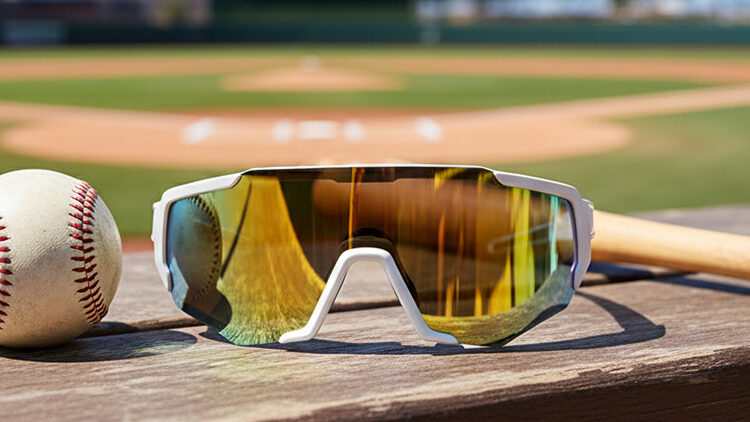
- फ्रेम्स: We utilizeTR90 memory polymer. This material is flexible, लाइटवेट, and withstands stress without snapping. It allows the frame to absorb the shock of a collision—whether with a ball or an outfield wall—protecting the player’s face.
Ready to Build Your Professional Eyewear Line?
The market for specialized baseball eyewear is growing. Players are becoming more educated on lens science, and they demand gear that offers a competitive edge.
परजूलोंग, we empower brands to meet this demand. इससे अधिक 16 years of manufacturing experience and 150+ पेटेंट, we do not just assemble glasses; we engineer performance.
Why Partner with Julong?
- Custom Tint Formulation: Access our library of high-contrast Amber and Copper tints designed specifically for ball-tracking.
- तीव्र प्रोटोटाइपिंग: Our dual-factory capacity ensures a 35-day average lead time.
- गुणवत्ता आश्वासन: Every batch is tested for impact resistance and polarization efficiency (>99%).
Whether you need a flagship polarized model for outfielders or a high-contrast utility lens for the whole team, our OEM/ODM services provide the flexibility you need. Contact our team today to request a sample kit and see the difference clarity makes.
FAQ
Do outfielders use polarized sunglasses?
Many outfielders do use polarized sunglasses to cut through atmospheric haze and reduce glare from the sun. While infielders often avoid them, outfielders benefit from the enhanced sky contrast. तथापि, some still prefer high-contrast non-polarized lenses to ensure maximum depth perception.
What is the best lens color for outfielders?
अंबर, copper, or rose tints are widely considered the best options. These colors filter out blue light from the sky, increasing the contrast of the white baseball. This makes the ball “pop” against the background, improving tracking and reaction time.
Can sunglasses help you see the ball better in the sun?
हाँ, absolutely. By reducing overall brightness and selectively filtering light spectrums, performance sunglasses prevent squinting and eye fatigue. High-contrast lenses specifically improve the visibility of the ball’s seams and rotation, which aids in judging trajectory.
Are Prizm lenses better for outfield play?
“Prizm” is a proprietary technology from Oakley that increases contrast, similar to the high-contrast technology we develop at Julong. These types of contrast-enhancing lenses are generally superior to standard gray lenses for baseball because they are tuned to separate specific colors in the playing environment.
What frames are best for looking up at fly balls?
Rimless or semi-rimless frames are ideal. When an outfielder looks up, a thick top frame rim can block their view. A rimless design offers an unobstructed vertical field of view, ensuring the ball stays in sight during the entire catch.
How do I clean my baseball sunglasses after a dusty game?
Never wipe dry lenses, as dust from the field can scratch the coating. पहला, rinse the glasses with water to remove loose dirt. तब, use a microfiber cloth and a dedicated lens cleaner or mild soap to wipe them down. Avoid household glass cleaners, which can strip anti-reflective coatings.