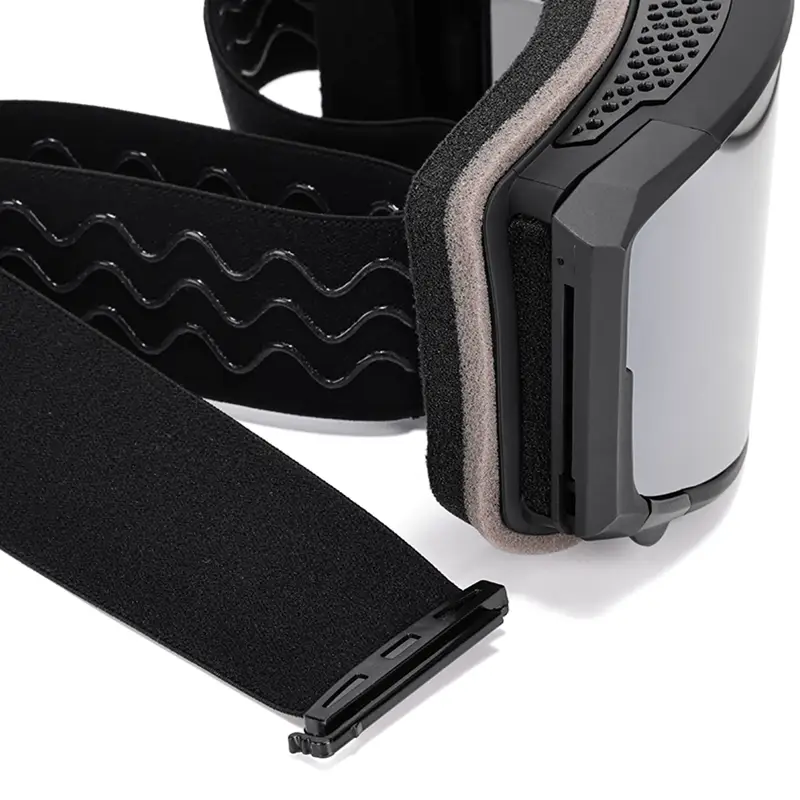
Al buscar gafas, ya sea para adquisiciones industriales, venta minorista de deportes, o protección personal: inevitablemente se encontrará con una confusa sopa de letras de códigos: Z87+, Z80.3, D3, U6. Para muchos compradores, Estas marcas son solo obstáculos regulatorios.. Sin embargo, entender lo específico ANSI Los estándares para anteojos no se tratan simplemente de cumplimiento.; se trata de saber con precisión cuánta protección hay entre los ojos y un proyectil de alta velocidad.
En Julong Gafas, Creemos que un comprador informado es nuestro mejor socio.. Esta guía analiza los tres más importantes del American National Standards Institute (ANSI) puntos de referencia: Z87.1, Z80.3, y Z80.1, para ayudarle a distinguir entre ropa solar de moda y armadura de grado industrial..
¿Qué son las gafas estándar ANSI y por qué son importantes??
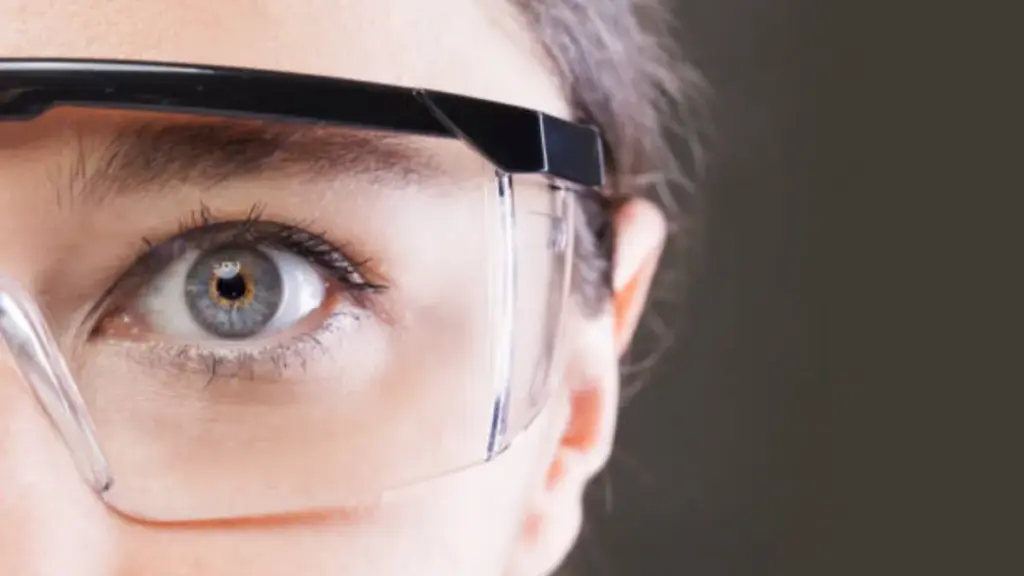
Antes de analizar las diferencias, es crucial aclarar qué “Certificado ANSI” en realidad significa. El Instituto Nacional Americano de Estándares (ANSI) no fabrica gafas, ni lo prueban ellos mismos. En cambio, establecen los criterios de desempeño que deben cumplir los fabricantes.
Cuando nos referimos a gafas con estándares ANSI, Estamos discutiendo un conjunto riguroso de protocolos de prueba diseñados para garantizar que las gafas funcionen de manera predecible bajo estrés.. Estos estándares dictan todo, desde la claridad óptica (asegurarse de que la lente no distorsione su visión) a la durabilidad física (asegurando que la lente no se rompa con el impacto).
Para gafas deportivas y de seguridad., la distinción suele reducirse a la absorción de energía. Un par de gafas de sol estándar están diseñadas para bloquear la luz y resistir pequeños errores.. En contraste, Las gafas de seguridad estándar ANSI Z87.1 están diseñadas para sobrevivir a impactos violentos., salpicaduras químicas, y radiación, proporcionando una capa crítica de defensa en entornos peligrosos. Comprender esta jerarquía es el primer paso para seleccionar el producto adecuado para su aplicación específica..
ANSI Z80.3: El estándar para las gafas de sol de uso diario
Si compras un par de gafas de sol en una gasolinera o en una boutique de moda de alta gama, probablemente se adhieran a ANSI Z80.3. Este es el estándar para gafas de sol sin receta y gafas de moda..
Los requisitos
El estándar Z80.3 se centra principalmente en la calidad óptica y la protección UV.. Garantiza que las lentes bloqueen la dañina luz ultravioleta. (UVA/UVB) efectivamente y no introducen errores prismáticos que podrían causar dolores de cabeza o fatiga visual.
En cuanto a la resistencia al impacto, Z80.3 es relativamente indulgente. pasar, Una lente debe resistir la “Prueba de caída de bola,” donde una bola de acero de 5/8 de pulgada (pesando aproximadamente 0.56 onzas) se deja caer desde una altura de 50 pulgadas.
Las limitaciones
Si bien esto garantiza que la lente no se romperá si se cae al pavimento., Ofrece una protección mínima contra desechos de alta velocidad.. Para actividades como correr, pesca, o conduciendo, Z80.3 es perfectamente adecuado. Sin embargo, para deportes dinámicos donde las rocas, bolas, o el equipo podría golpear la cara, este estándar se queda corto. es un “escudo cotidiano,” no es una barrera de seguridad.
ANSI Z87.1 decodificado: El estándar de oro para la seguridad de alto impacto

Este es el punto de referencia más importante para entornos de alto riesgo. cuando la gente pregunta “¿Qué son las gafas de seguridad Z87?,” se refieren a gafas que han pasado los rigurosos protocolos de prueba ANSI/ISEA Z87.1 para dispositivos de protección personal ocular y facial ocupacional y educativo..
El “Z87+” Distinción
A menudo verás dos marcas.: Z87 (Impacto básico) y Z87+ (Alto Impacto). La diferencia es sustancial.
- Z87 (Básico): Debe pasar la prueba de drop ball. (1-bola de acero pulgadas).
- Z87+ (Alto Impacto): Aquí es donde reside el verdadero rendimiento. para ganar el “más” marca, Las gafas deben superar dos pruebas agresivas.:
- Alto impacto masivo: 500g (1.1 libra) peso puntiagudo cayó de 50 pulgadas. Esto simula ser golpeado por una herramienta pesada o un objeto que cae..
- Impacto de alta velocidad: Una bola de acero de ¼ de pulgada disparada hacia la lente a velocidades de 102 mph (150 fps) para gafas, y hasta 250 fps para gafas.
Más allá del impacto
El estándar ANSI para gafas de seguridad ha evolucionado. El 2020 La actualización a Z87.1 introdujo clasificaciones específicas para las necesidades modernas., como protección contra salpicaduras (D3), Polvo (D4), y significativamente, Recubrimientos antivaho (incógnita). Para deportistas y trabajadores., Z87+ representa la base para “Armadura de acción”—equipo que protege contra lesiones oculares catastróficas.
Z87.1 frente a. Z80.3 frente a. Z80.1: Una guía de comparación rápida
La siguiente tabla describe las diferencias clave entre los estándares Z80.3 y Z87., así como el estándar de prescripción Z80.1. Esta comparación es esencial para comprender las compensaciones en materia de protección.
| Característica | ANSI Z80.3 (Gafas de sol) | ANSI Z87.1+ (Seguridad de alto impacto) | ANSI Z80.1 (Prescripción) |
|---|---|---|---|
| Enfoque primario | Protección UV & Moda | Impacto físico & Protección contra riesgos | Precisión de prescripción óptica |
| Prueba de impacto | 5/8″ bola de acero (Gota) | 1/4″ Bola de acero @ 102 mph (Velocidad) | 1″ bola de acero (Gota) |
| Grosor de la lente | Variable (a menudo más delgado) | Mínimo 2,0 mm (generalmente más grueso) | Depende de la potencia Rx |
| Marcas | El logotipo de la marca suele ser suficiente | debe requerir “Z87+” en el marco/lente | Marca del fabricante |
| Mejor uso | Correr, Playa, Conduciendo | Tiroteo, Industrial, Mtb, airsoft | Uso diario para la corrección de la visión. |
Nota: ANSI Z80.1 regula específicamente los lentes oftálmicos recetados.. Si bien estas lentes son resistentes a los impactos (Requisito de la FDA), No están clasificados para impactos industriales de alta velocidad a menos que se procesen específicamente como Z87-2. (Seguridad de las recetas).
Cómo elegir el nivel de protección adecuado para tu deporte

La selección entre Z80.3 y Z87.1 depende completamente de la velocidad y la masa de los peligros potenciales en su entorno..
¿Cuándo es suficiente Z80.3??
Para deportes sin contacto como correr maratones, ciclismo de ruta, senderismo, o golf, Las principales amenazas son la luz solar y el viento.. La probabilidad de que un proyectil de alta velocidad impacte en el ojo es baja. Aquí, priorizar el peso más liviano y la variedad de tonos que se encuentran en las gafas Z80.3 es una opción lógica.
¿Cuándo es obligatorio Z87.1??
Si participa en actividades en las que los desechos se mueven más rápido que la gravedad, necesita gafas de seguridad estándar ANSI Z87.1.
- Deportes de tiro & Caza: Retroceso, carcasas expulsadas, y los desechos ambientales requieren protección Z87+.
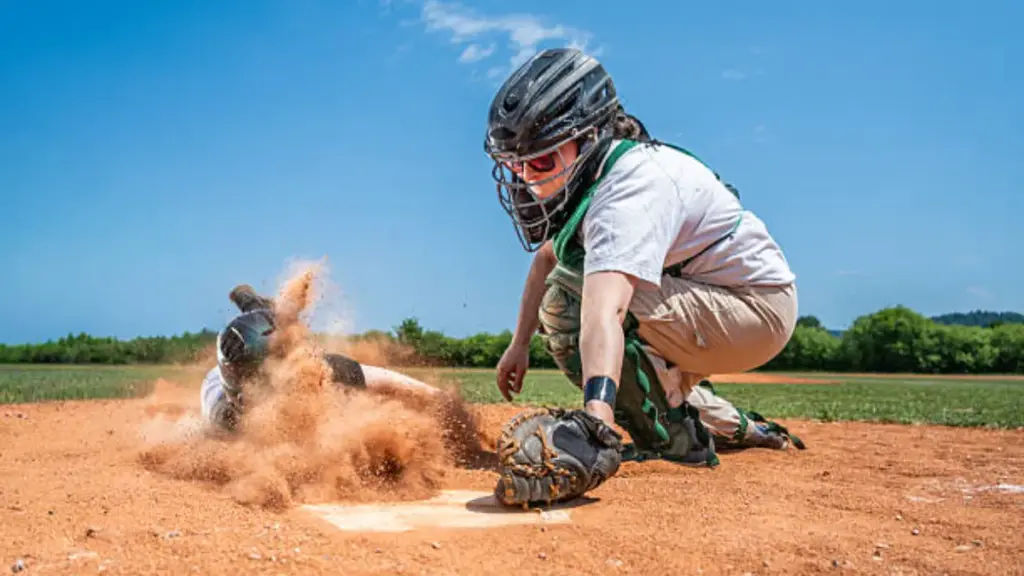
- Ciclismo de montaña (Mtb): Los senderos son impredecibles. Los neumáticos pueden levantar rocas a velocidades sorprendentes. Una lente Z80.3 podría romperse al impactar con una piedra afilada, enviando fragmentos al ojo.
- Airsoft/Paintball: Estos deportes exigen un estricto cumplimiento de las normas de seguridad., a menudo requieren gafas de sellado completo que superan las especificaciones básicas Z87.
El enger: Fusionando la seguridad del Z87+ con un estilo deportivo premium
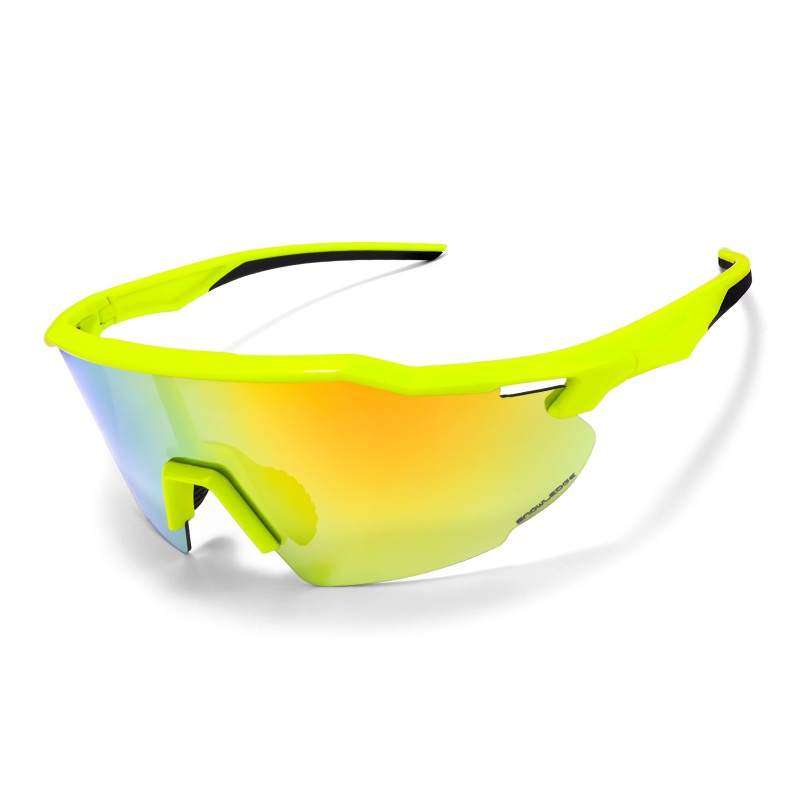
Históricamente, Existía un compromiso en el mercado de las gafas.: Podrías tener la estética elegante de la moda. gafas de sol, o el voluminoso, protección utilitaria de gafas de seguridad.
Y gafas Julong, hemos eliminado ese compromiso.
Aprovechando el moldeo por inyección de policarbonato avanzado y la ingeniería de precisión, Producimos monturas y lentes que cumplen con los estrictos requisitos de impacto de alta velocidad ANSI Z87.1 sin sacrificar el estilo..
Las capacidades de fabricación de Julong permiten:
- Perfiles elegantes: Diseños envolventes que ofrecen protección lateral completa sin la “mirada sorprendida” mirar.
- Recubrimientos avanzados: Incorpora antivaho compatible con Z87 (incógnita) y tecnologías antirayaduras.
- Personalización: Ofrecemos opciones fotocromáticas y polarizadas con clasificación de seguridad que a menudo son difíciles de encontrar en el sector industrial..
Ya sea que esté buscando un etiqueta privada marca deportiva o un distribuidor de seguridad industrial, Julong cierra la brecha. Nos aseguramos de que sus clientes no tengan que elegir entre lucir profesionales y estar protegidos..
Preguntas frecuentes sobre las marcas de lentes ANSI
¿Qué hace el “Ud.” marcado significa?
El “Ud.” seguido de un numero (P.EJ., U6) indica el nivel de ultravioleta (ultravioleta) filtración. U6 es la calificación más alta., bloqueando 99.9% de los dañinos rayos ultravioleta.
¿Puedo usar mis gafas graduadas como gafas de seguridad??
Generalmente, No. Gafas de vestir regulares (Z80.1) no está diseñado para soportar impactos de alta velocidad. Sin embargo, existen gafas de seguridad graduadas. Estos deben estar marcados con Z87-2., indicando que cumplen con los requisitos de impacto mientras llevan una prescripción correctiva.
cual es el “S” calificación?
“S” significa tinte para fines especiales. Esto se ve a menudo en lentes con curvas de transmisión únicas., como lentes de didimio para soplado de vidrio o lentes con filtro específicos que no se ajustan a las categorías de colores estándar.
¿Es Z87 lo mismo que compatible con OSHA??
No exactamente. OSHA es la agencia federal que hace cumplir las leyes de seguridad en el lugar de trabajo. OSHA exige que los empleados usen protección para los ojos que cumpla con estándares específicos. en los estados unidos, OSHA hace referencia a la norma ANSI para gafas de seguridad (Z87.1) como punto de referencia aceptado. Entonces, Usar equipo Z87+ garantiza que cumple con OSHA.